
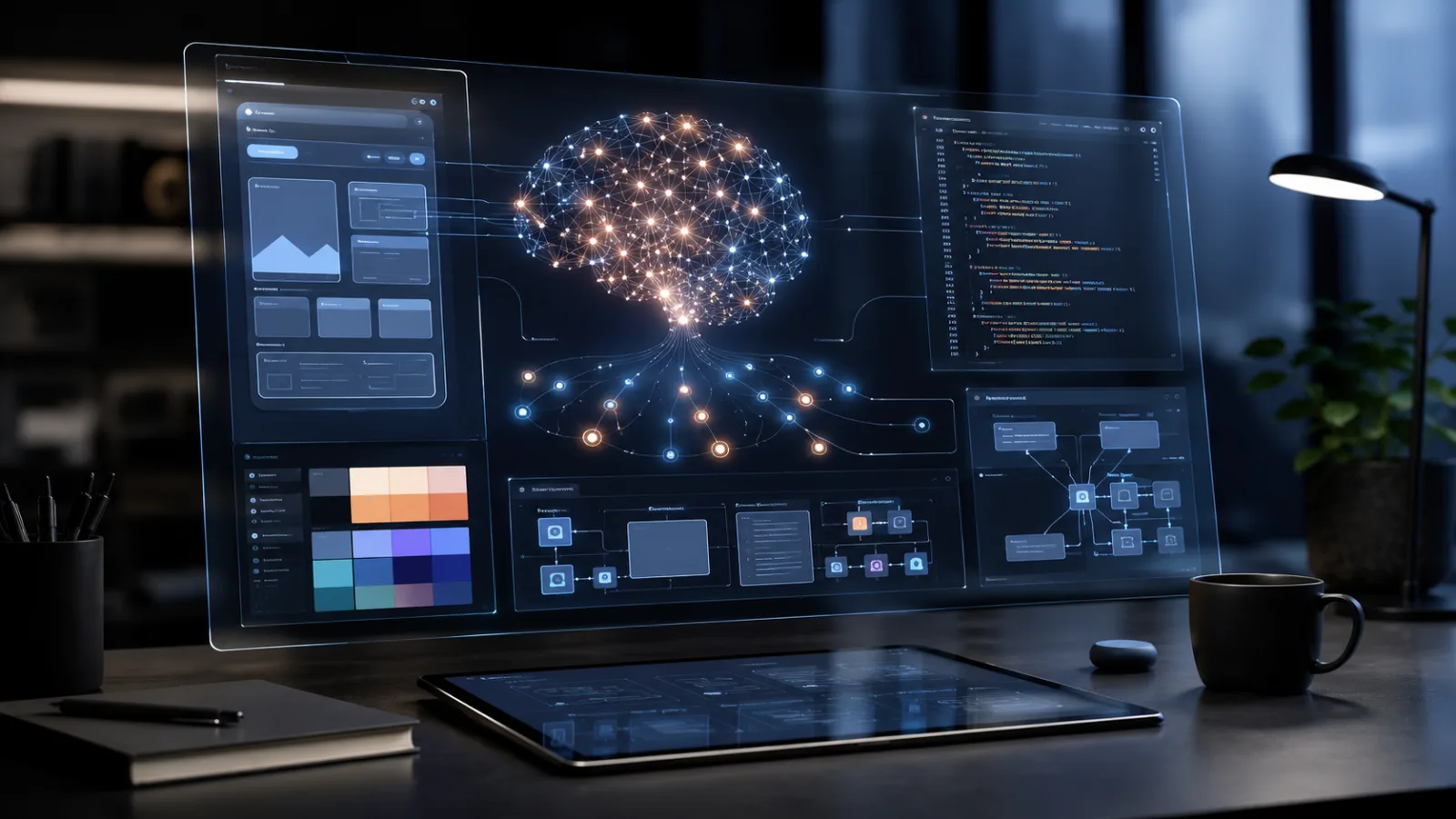
Claude Enhanced Design: Anthropic's AI improves design and coding
Anthropic's Claude Design receives a major update that enhances its interface design capabilities and interaction with agents
Claude Enhanced Design: Anthropic's AI improves design and coding
Anthropic has announced a significant update to Claude Design, its desktop-based assistant.intelligenceartificial intelligence specifically trained for user interface design. This evolution marks an important step for the tool, moving it from a simple design generation function to a more active and powerful collaborator in the development workflow. The goal is to make the creation of interfaces more efficient and intuitive, especially in complex contexts that require interaction with code.
Claude Design: a step forward in AI-aided design
The Claude Design update introduces substantial improvements in the generative and interpretive capabilities of AI. It's no longer just about creating visual mockups, but about better understanding design context, user needs, and industry best practices. This allows Claude Design to propose more targeted and functional solutions, reducing the time needed to iterate on designs and validate ideas. The ability to communicate more effectively with development tools is one of the focal points of this new version.
Improvements in interacting with coding agents
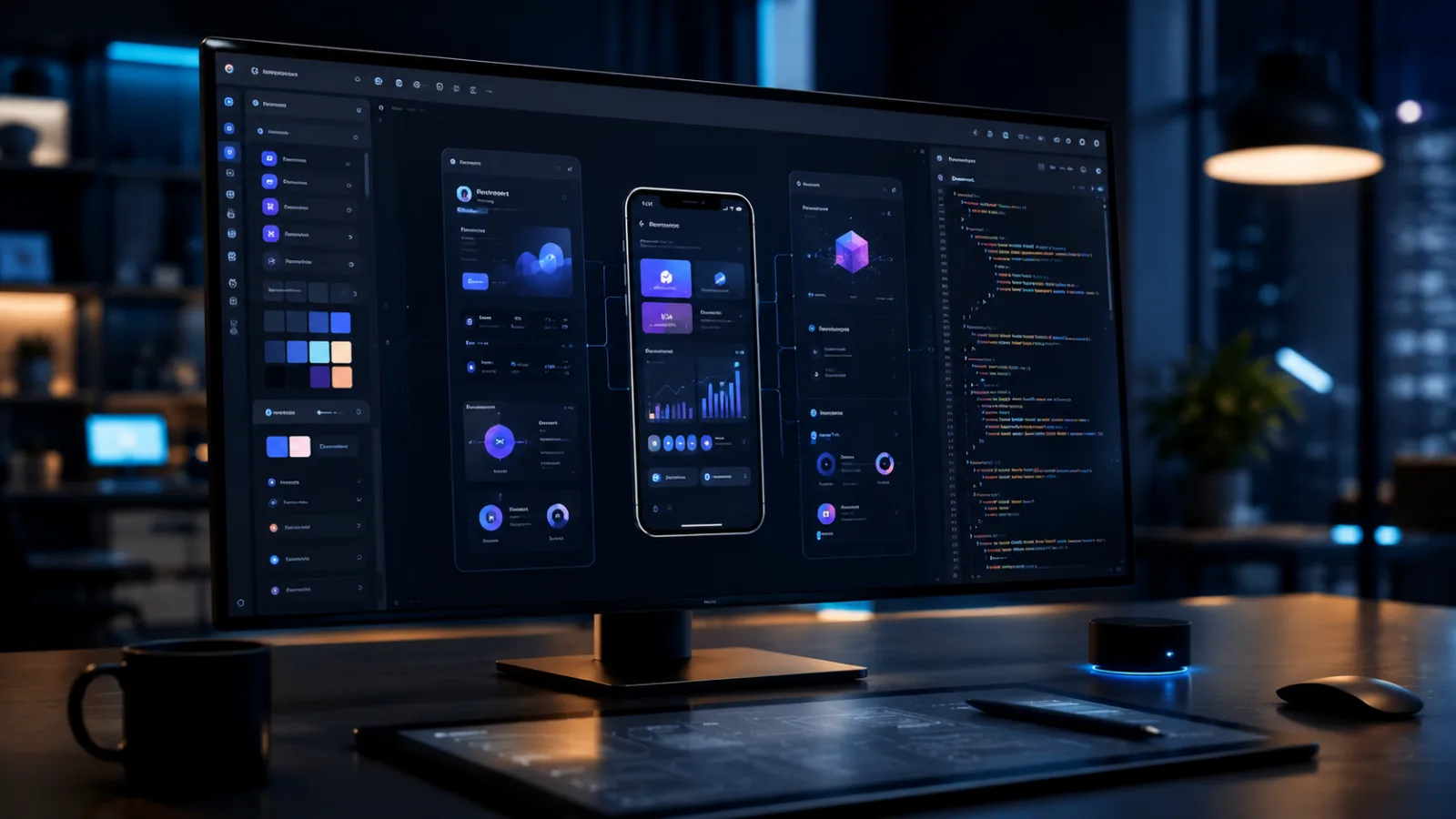
One of the most significant innovations introduced with this update concerns the interaction of Claude Design with the so-called "coding agents", i.e. artificial intelligence systems specialized in writing and analyzing code. Anthropic Assistant is now able to communicate more deeply with these agents, making it easier to translate proposed designs into working code. This means that designers and developers will benefit from a more integrated workflow, where visual ideas are transformed into concrete elements with greater speed and precision. The collaboration between Claude Design and coding agents promises to significantly accelerate the software development cycle.
Claude Design update: what changes
Claude Design's latest update brings with it several key new features:
- Better understanding of the design context:AI is now better at grasping the nuances and specific needs of a UI design.
- Advanced interaction with coding agents:facilitated communication and collaboration between Claude Design and AI-based development tools.
- Generating more functional designs:the assistant proposes more effective solutions in line with best practices.
- Accelerated development workflow:turning designs into code is faster and more precise.
The impact of the Claude Design update for developers
This enhancement of Claude Design has significant implications for the world of software development. The ability of AI to assist in both the creative and implementation phases narrows the gap between designers and programmers, promoting greater synergy. Developers will be able to receive clearer design specifications that can be directly translated into code, while designers will have more immediate feedback on the technical feasibility of their proposals. Anthropic's goal is clear: to democratize the creation of high-quality user interfaces, making it accessible even to those without advanced coding skills. The effectiveness of the Claude Design update will be measured in its ability to integrate fluidly into existing processes, improving them without distorting them.
Potential Advantages and Disadvantages
Pro
- Increased efficiency in the UI design and development process.
- Better collaboration between design and development teams.
- Potential democratization of interface creation.
- Reduction of iteration and validation times.
Against
- Need for adequate training to take full advantage of new capabilities.
- Possible over-reliance on AI tools.
- The final quality will always depend on human input.
In conclusion, the latest Claude Design update represents an important evolution in the field of artificial intelligence applied to design. The new capabilities of interaction with coding agents and the improvement in understanding the design context open new perspectives for the creation of more performing and intuitive user interfaces. It remains to be seen how this technology will actually integrate into developers' daily workflows, but the potential to optimize and accelerate the creative process is undoubtedly high.
Source:tomshw


Commenti
Ancora nessun commento. Sii il primo a partecipare.