The Apple Car Project and Mac Chips: How AI Redefines Networking
Learn how the Apple Car project, though never realized, laid the foundation for powerful Mac chips and the Neural Engine, revolutionizing AI
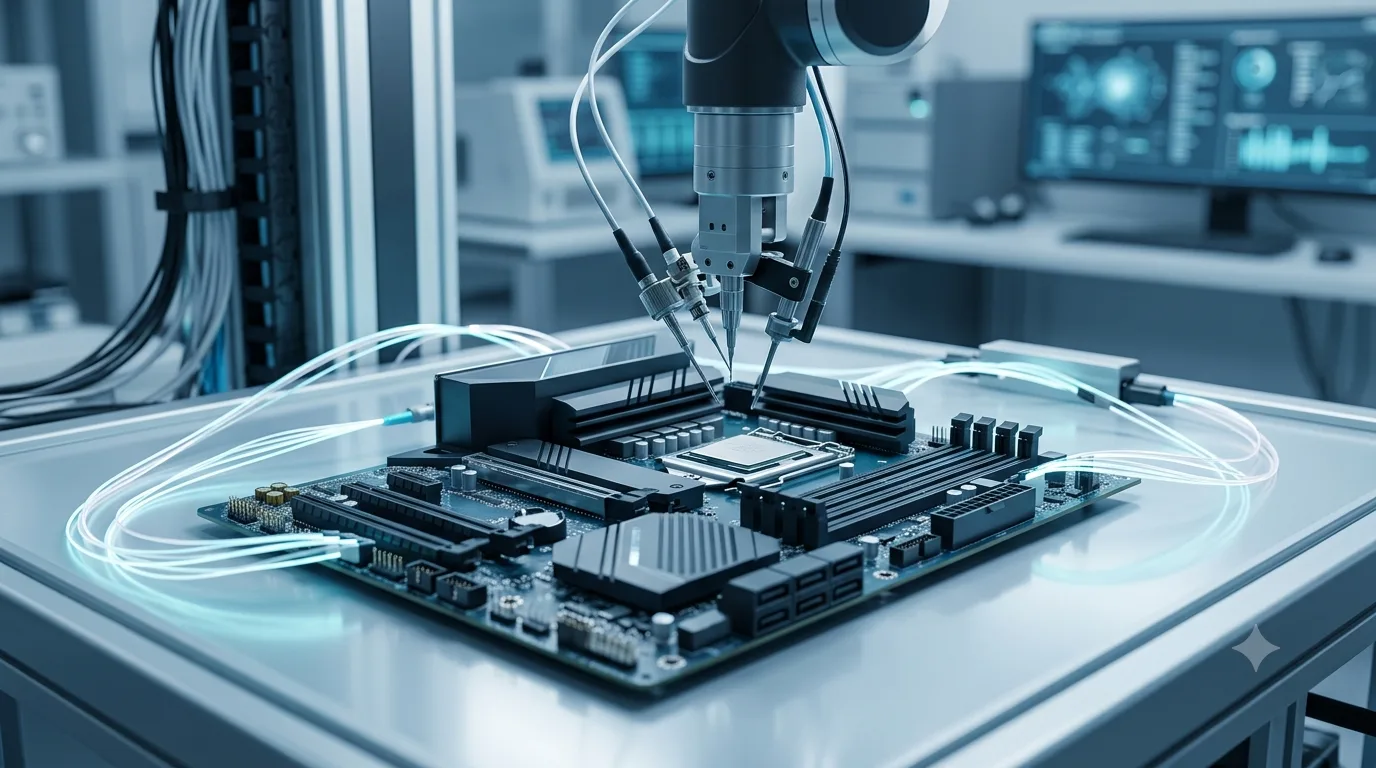
The Apple Car project, known internally as "Project Titan" and then abandoned, has left an unexpected legacy that is shaping the future of Mac chips and computer integration.intelligenceArtificial. What emerged from years of research and development for an autonomous vehicle was not lost, but found new life in the processors that power Cupertino's computers. In particular, the work carried out contributed significantly to the birth of the powerfulApple Neural Engine Mac, a crucial component that now redefines not only the computational capabilities, but also the interactions of Apple devices within an increasingly connected and networking-oriented ecosystem.
As reported byHDBlog, Apple's automotive ambitions, while not materialized in a vehicle, have pushed the company to invest heavily in the development of advanced chips. The demands of a self-driving car, which require enormous computing power for real-time processing of sensor data, navigation and safety, have accelerated internal research and innovation. These efforts were not in vain; on the contrary, they provided the technological foundation for the M-series processors that power Macs today, leading to a quantum leap in performance and energy efficiency.
The Unexpected Legacy: From Project Titan to Mac Chips
“Project Titan” represented an unprecedented test for Apple engineers. The need to develop systems capable of managing complex machine learning and artificial intelligence algorithms directly on the device, with very low latency times and maximum reliability, has led to the creation of highly specialized chip architectures. These innovations, originally designed for the street, were then repurposed and integrated into processors intended for Macs, ensuring superior performance and opening up new possibilities for local data processing and interaction with network services.
Apple Neural Engine Mac: the engine of Artificial Intelligence
One of the most significant fruits of this work is theApple Neural Engine Mac. This neural processing unit is specifically designed to accelerate machine learning and artificial intelligence workloads, enabling Macs to perform complex tasks like speech recognition, image processing, and predictive analytics with previously unthinkable speed and efficiency. Its presence in Apple Silicon chips is central to the company's current strategy, which aims to bring AI directly to devices, reducing reliance on the cloud and improving user privacy.
On-device optimization and network load reduction
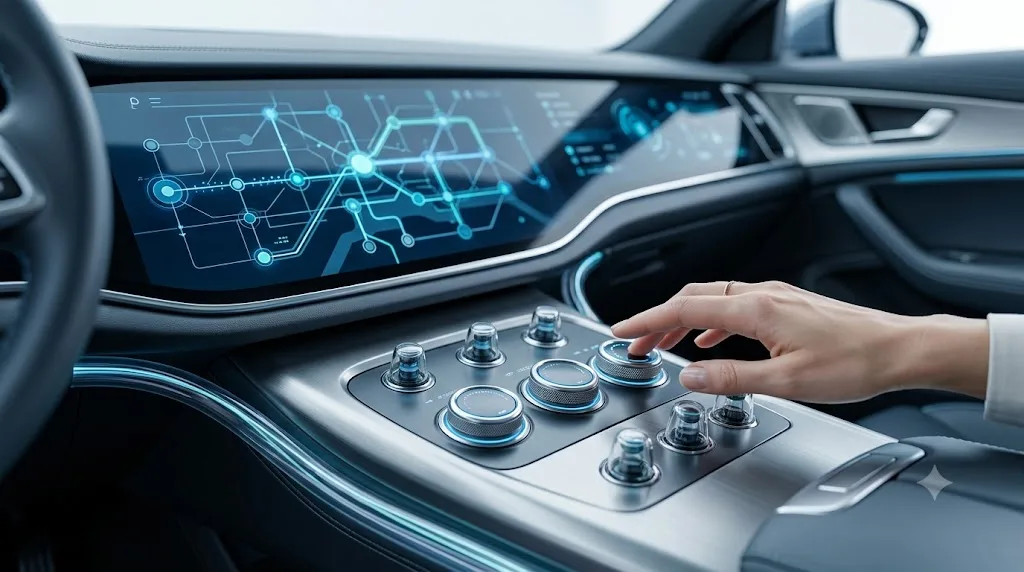
On-device AI processing, enabled by the Neural Engine, has a direct impact on networking. By running AI tasks locally, Macs can significantly reduce the amount of data that needs to be sent to cloud servers for processing. This not only improves the responsiveness of AI applications, but also lightens the load on networks, optimizing bandwidth usage and reducing latency. For users, this translates into a smoother and more responsive experience, especially in contexts where network connectivity is limited or expensive.
The impact on Apple's ecosystem and networking
Advanced chips with Neural Engine not only improve the performance of individual Macs, but also strengthen the entire Apple ecosystem. The ability to process AI data efficiently on the device allows for better integration between Mac, iPhone, iPad, and other devices, facilitating features like Handoff, AirDrop, and iCloud syncing. Additionally, these chips can enhance the networking capabilities of Macs themselves, improving network traffic management, connection security (for example, via hardware-accelerated VPN), and interaction with home automation and NAS devices within a local network. Integrated AI can also contribute to more sophisticated cyber threat detection, strengthening overall network security.
The future of networking according to Apple
The evolution of Mac chips, driven by car design innovations and Neural Engine integration, is redefining how Apple devices interact with networks. On-device AI promises greater efficiency, security and performance, laying the foundation for a smarter and more responsive network infrastructure.
Future prospects: AI at the heart of Apple's infrastructure
Looking ahead, Apple's investment in chips with advanced AI capabilities, such as theApple Neural Engine Mac, suggests a clear roadmap: AI will increasingly be at the center of user experience and technology infrastructure. This not only means smarter applications, but also more efficient operating systems, greater security and more robust and adaptive network connectivity. Macs, thanks to this unexpected legacy, are poised to drive innovation in the field of AI and networking, offering users an increasingly integrated and powerful experience.


Commenti
Ancora nessun commento. Sii il primo a partecipare.