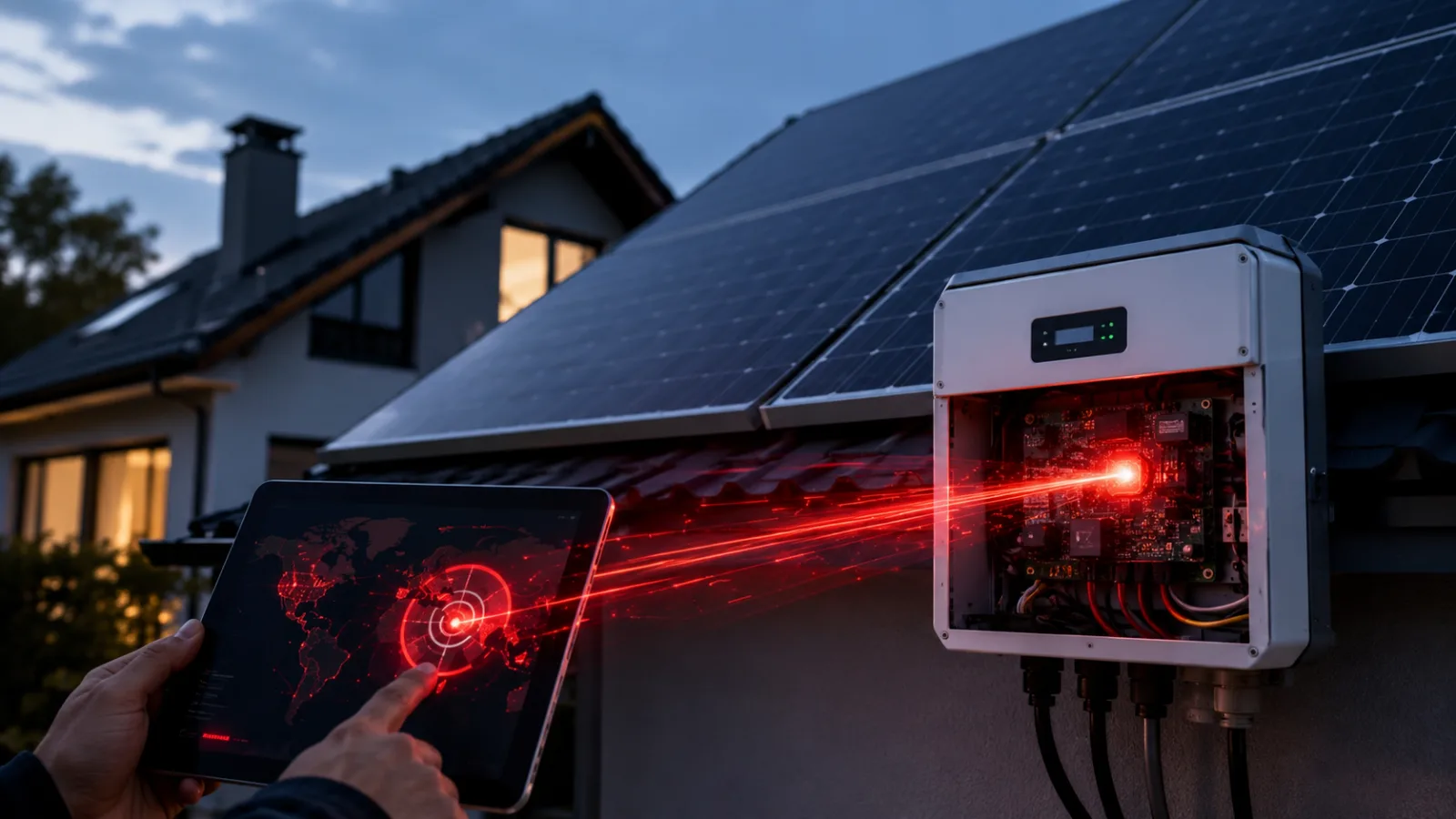
Solar Panels at Risk: Hackers Can Turn Them Off Remotely
Serious vulnerabilities in Hoymiles inverters allow remote attacks on solar panels. Learn about home energy security risks.
An alarm ofsafetyshakes up the photovoltaic sector: a serious flaw has emerged that could allow attackers to take control of domestic solar panels. The threat concerns in particular inverters produced by Hoymiles, a brand popular among installers of photovoltaic systems. According to HDBlog, based on security analysis, expert hackers could exploit these vulnerabilities to remotely turn off solar panels, thus compromising clean energy production and potentially causing damage to home infrastructure. This scenario opens up worrying scenarios for energy security, especially in an era in which home automation and connected systems are becoming increasingly central in our homes.
Cybersecurity Alert: Solar Panels at Risk
Serious security flaws discovered in Hoymiles inverters that could allow external hackers to remotely disable connected solar panels. This represents a real risk for the energy security of homes and for the reliability of photovoltaic systems.
The discovery of vulnerabilities in Hoymiles inverters
The research conducted highlighted several critical issues in the management systems of Hoymiles inverters. These flaws, if exploited, could allow an unauthorized user to access the control interface of the device. Once access is gained, the hacker would have the ability to manipulate the inverter settings, including completely turning off the solar energy production system. The ease with which these vulnerabilities could be exploited is particularly alarming, as it would not require extremely advanced technical skills, making the attack accessible to a greater number of potential threats.
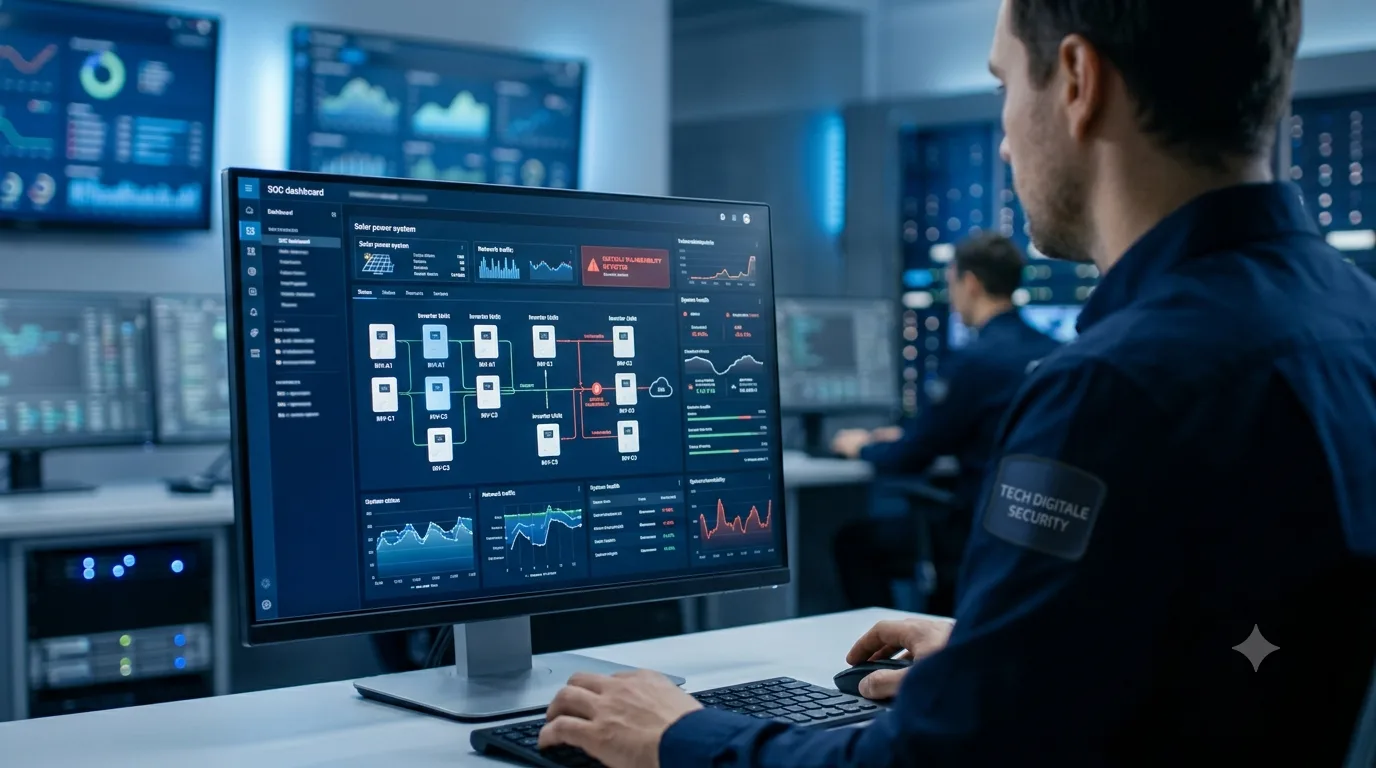
solar panels hacker - How a hacker can take control of solar panels
The attack mechanism is based on exploiting weaknesses in network communication or in the authentication of connected devices. Many modern inverters, including Hoymiles ones, are designed to be monitored and managed via cloud platforms or dedicated applications, often accessible via the internet. If these communication channels have security flaws, a hacker could intercept or spoof commands, causing the inverter to stop operating. The gravity of the situation is amplified by the fact that ihacker solar panels, once compromised, may remain dormant until restored manually or via a security update.
Implications for energy and home security
The consequences of a successful attack go beyond simply cutting off solar energy supplies. The ability to remotely turn off a photovoltaic system could have implications for home security, for example by deactivating energy storage systems that power essential devices during a blackout. Furthermore, confidence in solar technology, seen as a sustainable and reliable solution, could be undermined by these episodes. The spread of these vulnerabilities underlines the growing importance of cybersecurity even in traditionally less exposed sectors, such as energy and home automation.
The need for security updates and patches
To counter these threats, it is essential that manufacturers like Hoymiles intervene promptly by releasing software updates (patches) capable of correcting the flaws discovered. End users, for their part, should ensure that they keep their devices updated to the latest firmware version available and follow best home network security practices, such as using strong passwords and network segmentation where possible. Collaboration between security researchers, manufacturers and users is crucial to ensure the protection of photovoltaic systems and the continuity of clean energy production.
Security Updates for Inverters
Hoymiles inverter users are strongly advised to check for firmware updates and install them as soon as possible. Consult the manufacturer's official website or contact your installer for assistance in updating the devices and verifying their safety.


Commenti
Ancora nessun commento. Sii il primo a partecipare.