
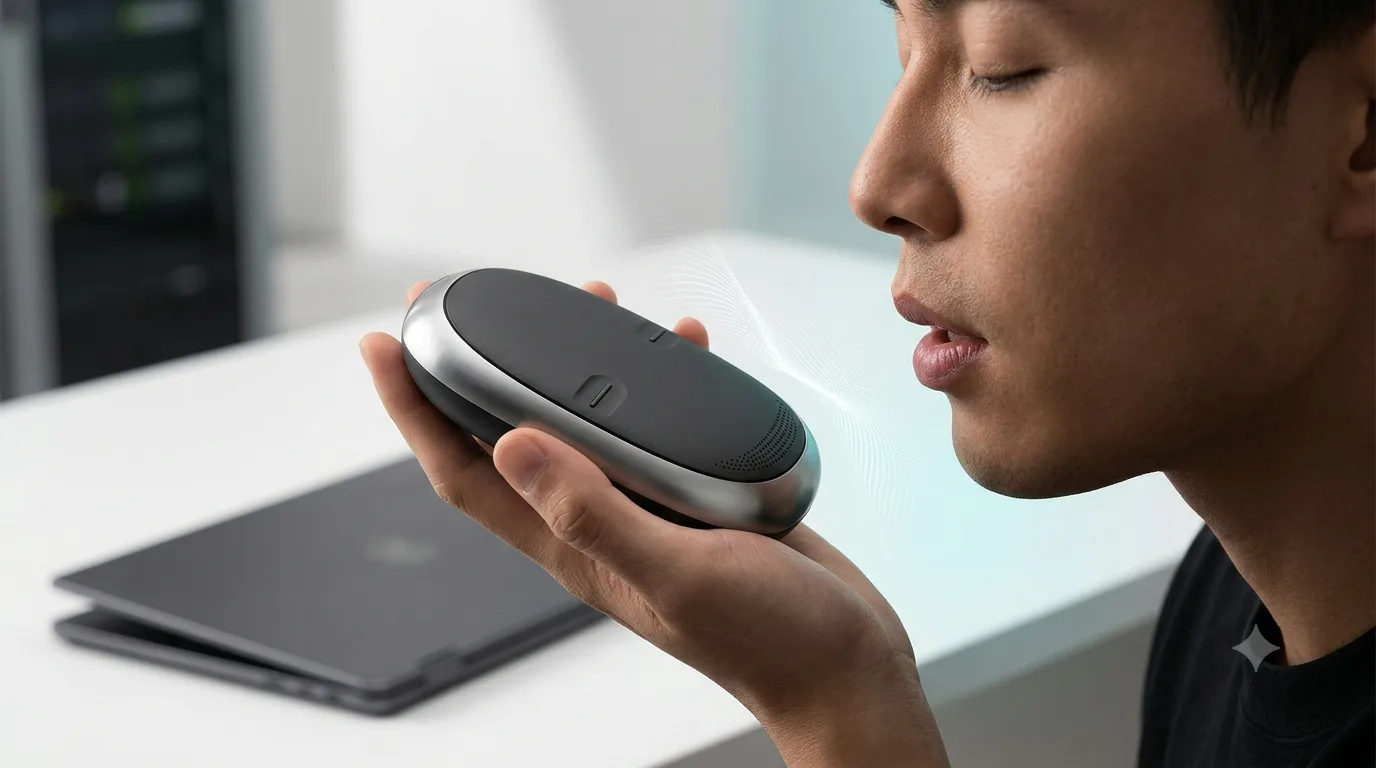
OpenAI is working on a screenless portable AI device, according to rumors
According to the latest rumors, OpenAI is working on an innovative portable AI device, designed by Jony Ive, which will not have a screen.
OpenAI's mysterious AI device
The rumors in the world of technology are becoming more and more insistent regarding an ambitious project by OpenAI: the development of its own hardware device dedicated to artificial intelligence. Unlike what you might imagine, this new gadget will not feature a screen, instead focusing on a completely vocal and interactive interface. The rumors, reported byHDBlogand based on internal sources, suggest that the device will be portable and will integrate moving parts, suggesting an innovative and functional design. The goal appears to be to create an ever-present AI companion, ready to assist the user in various daily tasks without the distraction of a display.
Update:Latest speculation indicates that OpenAI's AI device, a collaboration with Jony Ive, could see the light of day by 2027. Its screen-free nature and portability make it a one-of-a-kind product.
The collaboration with Jony Ive
A key element of this project is the alleged collaboration with Jony Ive, former head of design ofapple, known for its contributions to iconic products such as the iPhone and iPad. Its expertise in creating intuitive user interfaces and engaging designs could be key to shaping an AI device that is both powerful and easy to use. The idea of a screen-free AI gadget, led by a designer of Ive's caliber, raises many expectations regarding the innovation it could bring to the market. It is hypothesized that the device could be designed to integrate seamlessly into users' lives, offering assistance and information in a discreet and direct way.
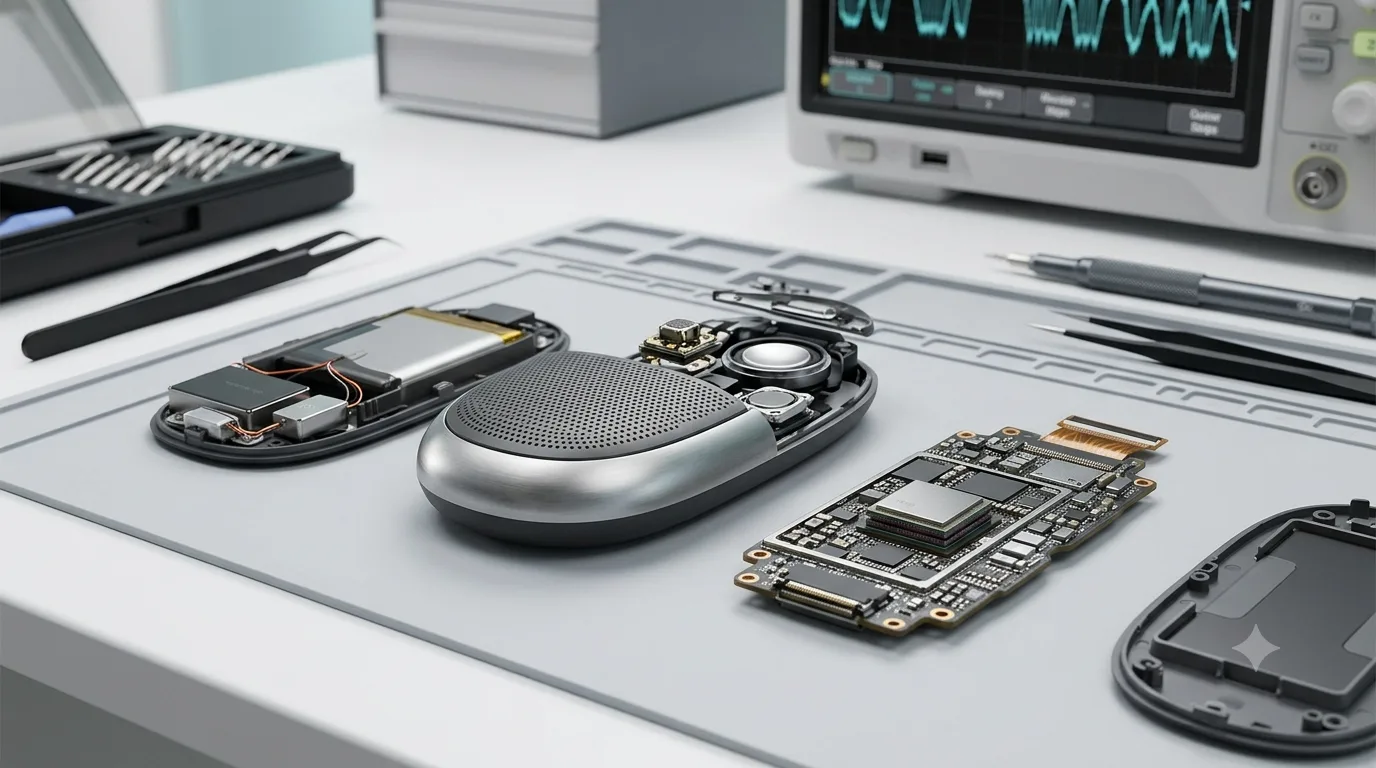
Features and potential uses of the OpenAI AI device
While specific details are still scarce, the description of a portable device with moving parts and no display suggests a radically different approach than current smartphones or smart speakers. This could be a wearable device, similar to a pendant or small accessory, that communicates with the user via audio output and voice input. The potential applications are vast: from managing reminders and appointments, to searching for information on the web, to controlling other smart home devices. The absence of a screen could also encourage greater concentration and reduce the time spent in front of displays, promoting a more natural interaction with technology. The challenge for OpenAI and Jony Ive will be to make voice interaction robust and versatile enough to completely replace the visual experience.
Implications for the future of AI
OpenAI's development of a dedicated AI device could mark a turning point in how we interact with artificial intelligence. While ChatGPT has demonstrated the potential of advanced language models, a dedicated hardware device could take AI off computer and smartphone screens, making it more accessible and integrated into everyday life. This approach could pave the way for a new generation of AI products, focused on proactive assistance and contextual interaction. The choice to eliminate the display is bold and could redefine user expectations regarding AI gadgets, shifting attention to the effectiveness of voice communication and the discretion of the device. It remains to be seen how OpenAI will be able to translate its powerful AI capabilities into a tangible and intuitive hardware experience.
OpenAI AI Device Project
- Producer:OpenAI
- Designer (alleged):Jony Ive
- Main features:Portable, no display, voice interaction, moving parts
- Objective:AI assistance integrated into daily life
- State:In development (rumor)


Commenti
Ancora nessun commento. Sii il primo a partecipare.