
Microsoft: No Surface with AMD processors by strategic choice
Microsoft clarifies the reasons behind the absence of Surface devices equipped with AMD processors. A strategic choice linked to diversification
Microsoft's strategy for Surface processors
Surface AMD is at the center of the news: Many users have wondered why it is not possible to find Surface devices equipped with AMD processors on the market. The answer comes directly from Microsoft, which, through the words of one of its spokespersons, explained the reasons behind this strategic choice. The Surface product range, although broad, is not yet extensive enough to include such a marked diversification regarding processor architectures. The decision to focus on certain technological choices is an integral part of a broader strategy aimed at optimizing the offering and ensuring a consistent user experience across the entire product line.
Microsoft has clarified that the decision not to use AMD processors in Surface devices is not due to technical limitations or a lack of support, but rather to a specific market and product choice. The company prefers to focus its resources and development on a limited number of configurations to ensureperformanceoptimal features and smooth software-hardware integration, distinctive features of the Surface line.
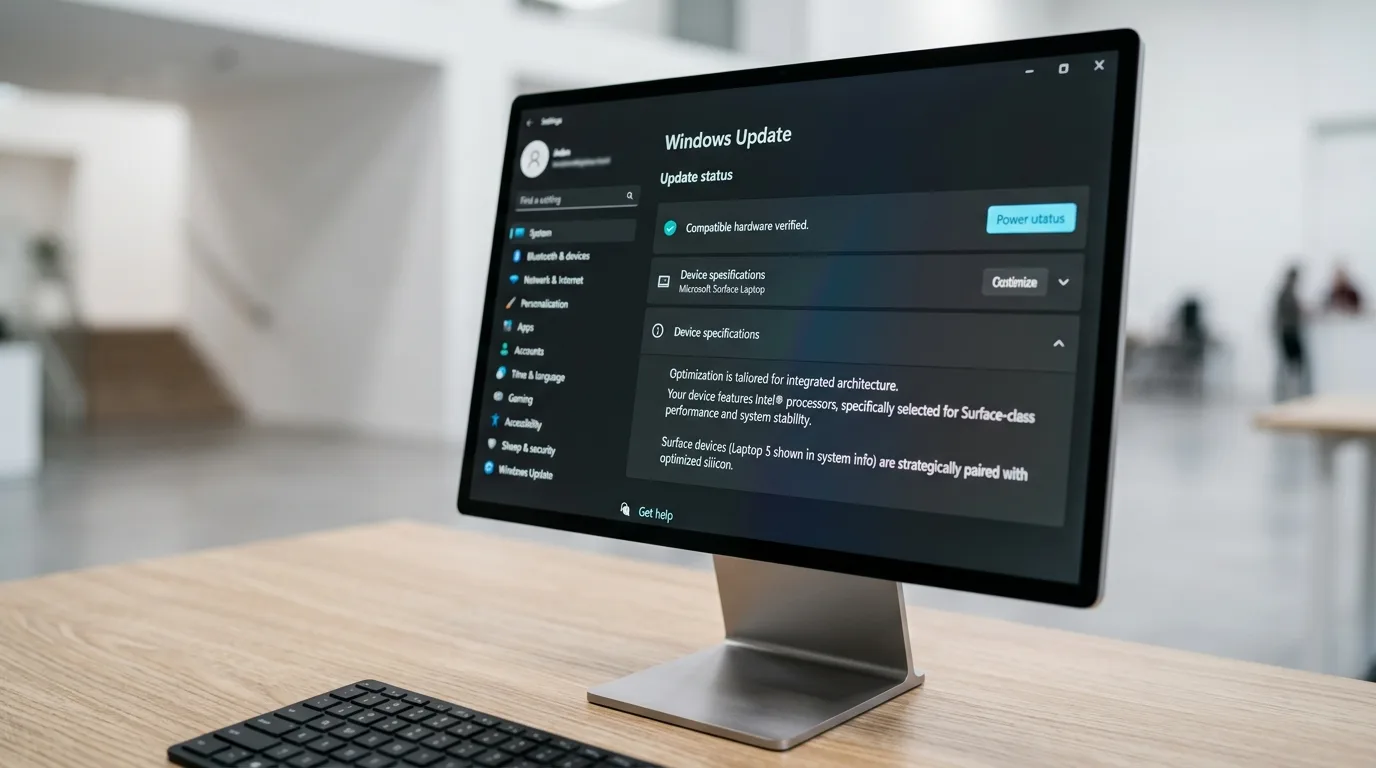
Why don't we find AMD processors in Surface devices?
Surface AMD - The main reason given by Microsoft concerns the need to maintain a manageable and focused product portfolio. The introduction of AMD processors, although they offer competitive performance, would require additional effort in terms of development, testing and software optimization, which the company currently believes is not justified by the current size of its Surface offering. The priority is to ensure that each Surface device offers a high-quality user experience, characterized by reliability and predictable performance, which Microsoft believes it can achieve most effectively by focusing on a small number of hardware options. This approach allows us to dedicate more resources to driver optimization, energy efficiency and integration with the Windows operating system, crucial elements for the success of the Surface line.
Microsoft's choice is part of a broader context of technological diversification that the company is carrying out, as demonstrated by the adoption of Intel processors and, in some cases, proprietary chips designed internally. However, as regards AMD processors, the current strategy is not to include them in the Surface family, at least for the moment. This does not exclude future integrations, should market needs and Microsoft's product strategy evolve.
The future of processors in Microsoft devices
While there are currently no Surfaces with AMD processors, the technology landscape is constantly evolving. Microsoft may reconsider this strategy in the future, especially if the performance and efficiency of AMD chips offer significant advantages and better align with the goals of the Surface line. The company has always demonstrated flexibility in adapting to new technologies and market demands. For now, users looking for Surface devices will have to continue to deal with configurations based on Intel processors or proprietary Microsoft solutions, which continue to represent the beating heart of the range.
In conclusion, the absence of AMD processors in Surface devices is a thoughtful decision by Microsoft, aimed at optimizing the offer and ensuring a high-level user experience. The current strategy favors focusing on a limited number of hardware configurations to maximize performance and reliability, key elements that define the identity of Surface products.


Commenti
Ancora nessun commento. Sii il primo a partecipare.