
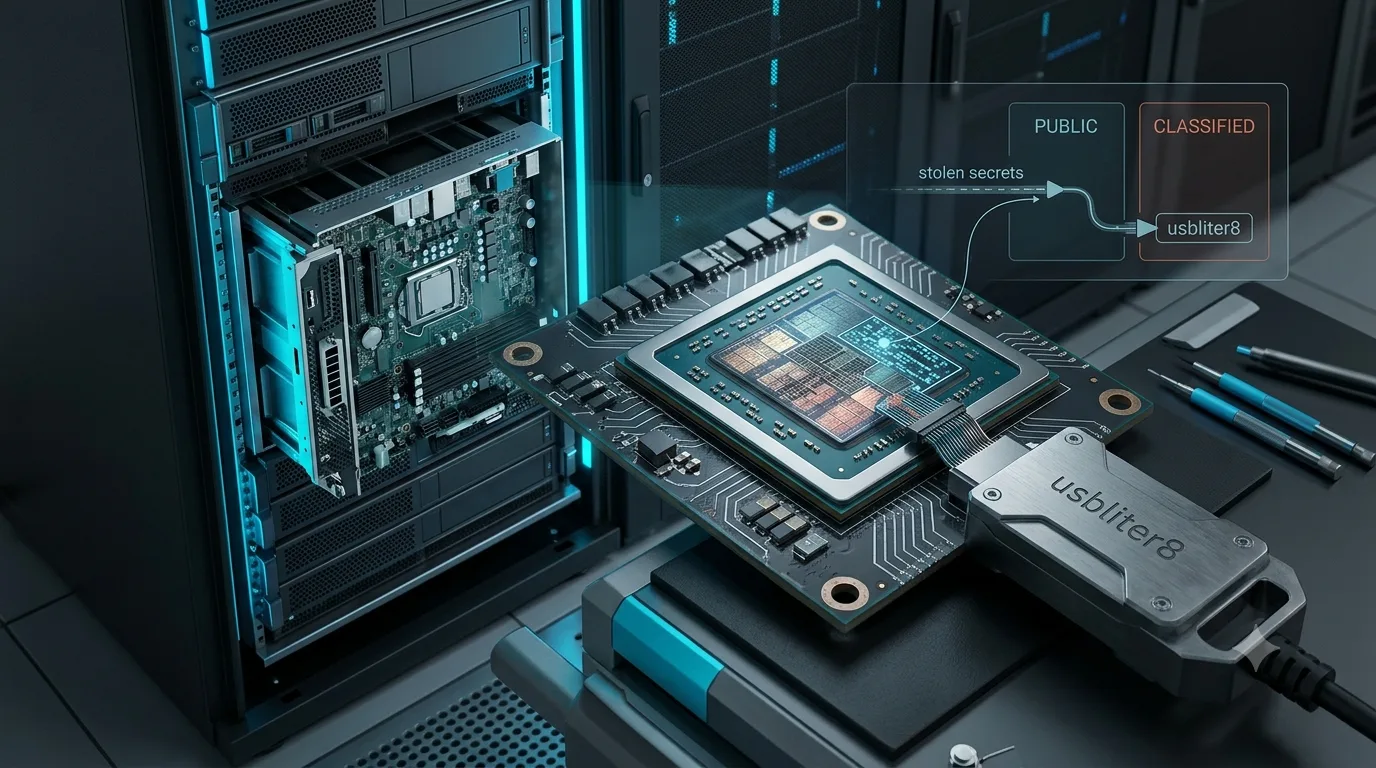
Lawsuit in the USA: the usbliter8 exploit for Apple chips was born from stolen secrets
A lawsuit in the US charges that the usbliter8 exploit, which affects Apple chips, was developed using stolen trade secrets. You discover
The news about the exploitusbliter8 Apple chiptakes a new turn with a lawsuit filed in the United States. Magnet Forensics accused Paradigm Shift Technology of developing and publishing this unpatchable hardware vulnerability by exploiting trade secrets stolen from a former engineer. This legal battle sheds light on the complex world of cybersecurity and the ethical challenges of discovering and disclosing critical vulnerabilities that affect millions of devices. The case raises important questions about the protection of intellectual property in the technology sector and the responsibilities of companies.
The Apple usbliter8 chip exploit lawsuit
The legal controversy surrounding the exploitusbliter8 Apple chipis intensifying in the United States. Magnet Forensics, a company specializing in digital forensic analysis, has filed a lawsuit against Paradigm Shift Technology. The main allegation is that the usbliter8 exploit, an unpatchable hardware vulnerability affecting specific Apple chips, was developed and subsequently made public using trade secrets stolen by a former engineer. This engineer, before moving to Paradigm Shift, would have worked for a subsidiary of Magnet Forensics, acquiring knowledge and sensitive data that would then be used for the discovery and publication of the exploit. The lawsuit seeks to establish intellectual property infringement and the consequences of such action in the cybersecurity landscape.
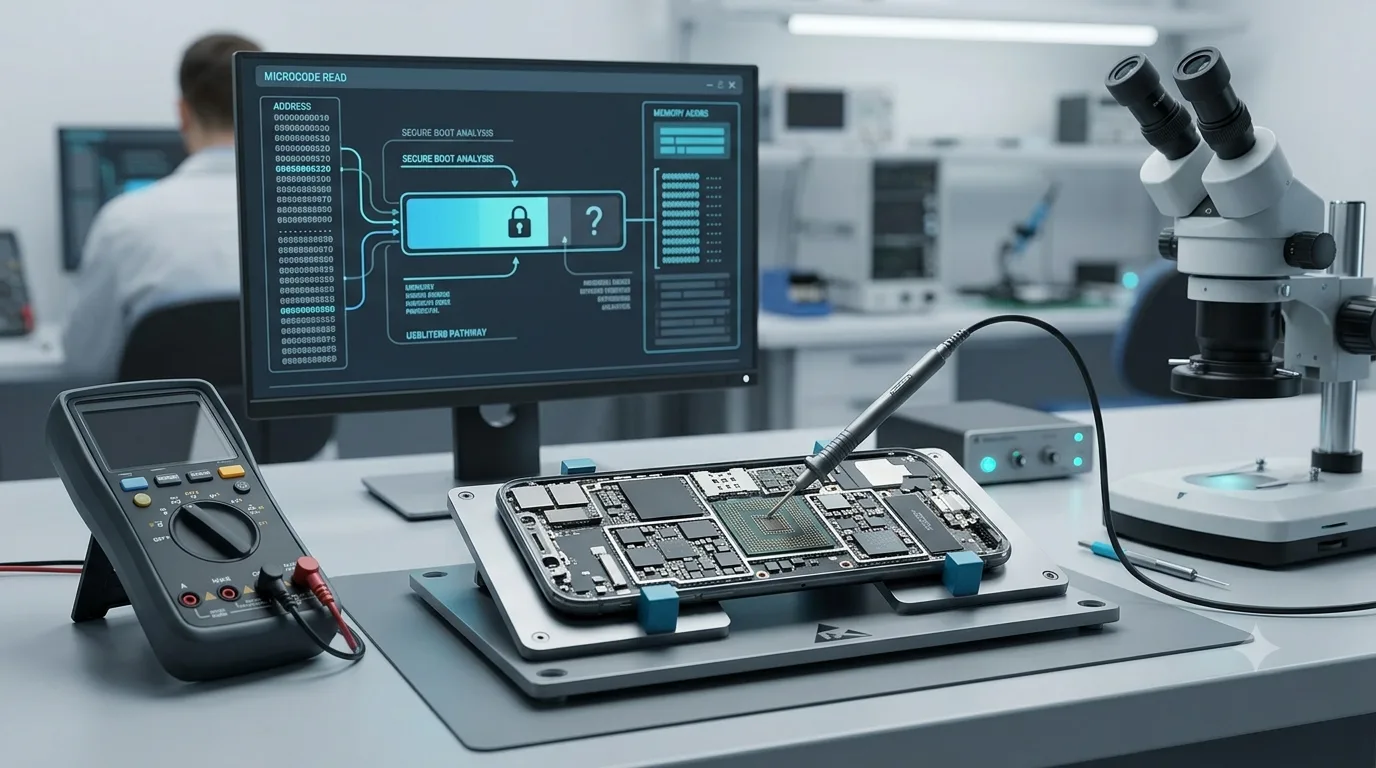
usbliter8: An Irreparable Exploit for Apple Chips
The usbliter8 exploit has emerged as one of the most concerning vulnerabilities for Apple devices in recent times. This is a hardware-level exploit, meaning it cannot be fixed via software updates. Once exploited, it allows deep access to the system, potentially compromising the security and privacy of usersusers. Its "unpatchable" nature makes it particularly dangerous and long-lived, as devices with affected chips will remain vulnerable unless a hardware replacement is made.
From the findings of Paradigm Shift to the accusations of Magnet Forensics
Researchers at Paradigm Shift Technology announced the discovery of usbliter8 last June, presenting it as a serious security flaw. Their publication has sparked great interest in the cybersecurity community, but also concern about the implications. Now, Magnet Forensics claims that the Paradigm Shift research was not an independent discovery, but rather the direct result of using confidential information and illicitly obtained trade secrets. This accusation adds a level of complexity to the discussion about responsible disclosure of vulnerabilities and the protection of proprietary information.
The usbliter8 Exploit and Apple Security
- Nature:Hardware exploit that cannot be corrected by software.
- Impact:Allows deep system access to vulnerable Apple chips.
- Risk:Long-term compromise for affected devices.
- Dispute:Accusations of using stolen trade secrets in its discovery and publication.
The case highlights the importance of rigorous intellectual property protection in the cybersecurity sector.
Implications and Outlook for Apple Security
The lawsuit onusbliter8 Apple chipit has vast implications not only for the companies involved, but for the entire cybersecurity ecosystem. If Magnet Forensics' allegations are proven, it could set a significant precedent regarding the protection of trade secrets and ethical conduct in vulnerability research. For Apple, the persistence of an unpatchable hardware exploit represents an ongoing challenge, potentially requiring new strategies to mitigate risks on existing devices and to ensure the security of future generations of chips. The security research community, on the other hand, will be closely following the outcome of this lawsuit, which could influence how the industry collaborates and competes.
The legal battle surrounding the exploitusbliter8 Apple chipis a clear example of the tensions that can arise between disclosing critical vulnerabilities and protecting intellectual property. While the US courts will try to clarify the origin of this flaw, the story will continue to hold sway in the world of cybersecurity, with repercussions that could extend far beyond the two companies directly involved. It is critical that the industry balances the need to identify and disclose vulnerabilities to improve security and safeguard R&D investments.
They also talk about ithere


Commenti
Ancora nessun commento. Sii il primo a partecipare.