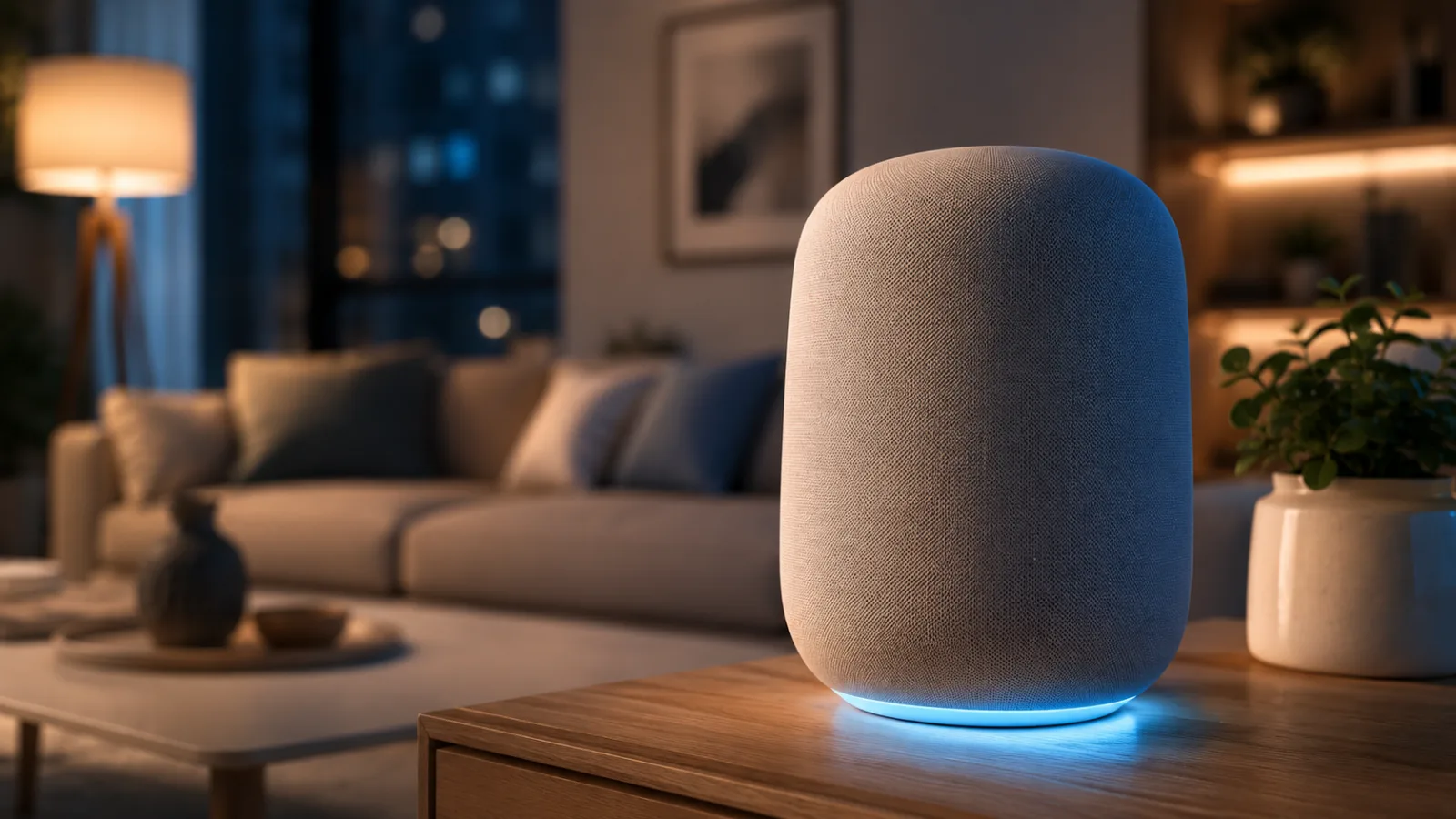
The new Google Home Speaker revealed in advance: a design that divides users
The new Google Home Speaker has been revealed early, revealing a hardware design decision that may disappoint many users. You discover
The world of home automation is buzzing with the first images and previews of what's nextgoogleHome Speaker. One user has in fact had the opportunity to unpack the device in advance, revealing a crucial detail that is already generating discussions: itsGoogle Home Speaker designincludes a hardware decision that may not be appreciated by many. Google's choice, as revealed byAndroidAuthority, in particular, concerns the power cable, which apparently will not be removable, a feature that has often raised criticism among technology enthusiasts and smart speaker users in the past.
Update on the design of the Google Home Speaker
The first rumors about the new Google Home Speaker reveal a controversial design decision: the power cable will not be detachable. This choice could affect the flexibility of use and maintenance of the device, generating discontent among users who prefer more modular and easier to manage solutions.
The Google Home Speaker design and cable choice
The news, which emerged from an early unboxing, immediately caught attention. Google's new smart speaker, eagerly awaited, features an integrated and non-detachable power cable. This is not an absolute novelty in the panorama of electronic devices, but for a product intended to remain fixed in the home and often moved or reconfigured, the lack of a removable cable can represent an obstacle. TheGoogle Home Speaker design, in this specific aspect, differs from an increasingly widespread trend which sees manufacturers opting for standardized and replaceable cables, offering greater freedom and convenience to users.
Google's decision could be dictated by various reasons, such as the search for greater structural robustness, better aesthetic integration or perhaps the need to guarantee specific power supply techniques. However, past experience shows that users prefer flexibility. A non-removable cable means that if it becomes damaged, the entire device may need service or replacement, rather than a simple cable change.
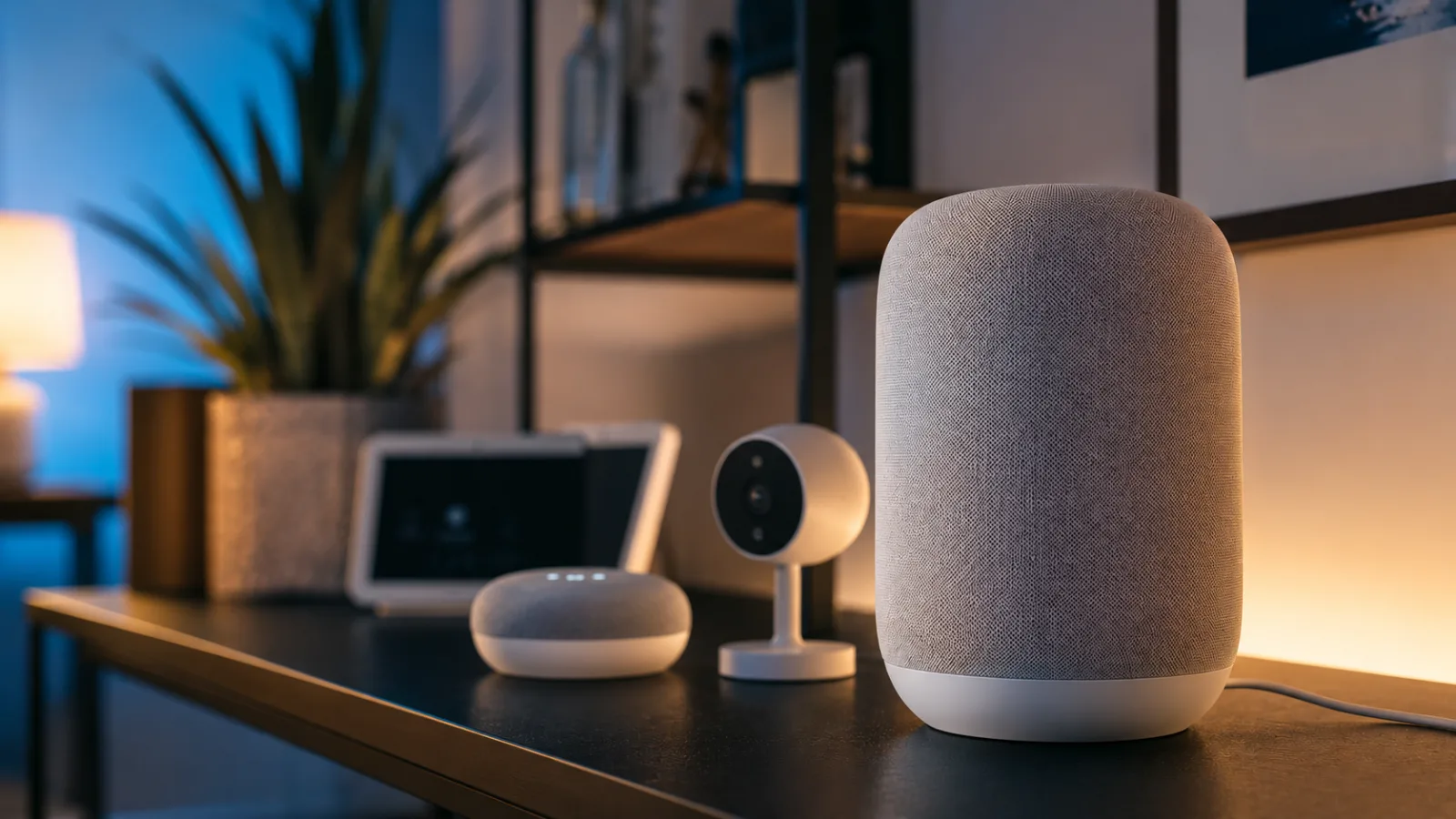
Why is the non-removable cable a problem?
The non-removability of the power cable causes various problems. First, it limits the customization and adaptability of the device. Users often want to use different cable lengths, perhaps longer to reach distant outlets or shorter for a clean installation. A fixed cable prevents this flexibility. Furthermore, from a maintenance point of view, a damaged, worn or simply malfunctioning cable requires a more complex, potentially expensive intervention, which could compromise the useful life of the device itself.
Implications for the user and sustainability
From a sustainability perspective, choosing a non-removable cable is often viewed negatively. In an age of trying to reduce electronic waste and promote product repairability, a design that makes it more difficult to replace a common component like the power cord goes against the grain. This could lead to a shorter life cycle for the device and a greater environmental impact, aspects that modern consumers are increasingly careful to consider when purchasing home automation products.
Expectations for Google's future Smart Speaker
Despite this controversial choice ofGoogle Home Speaker design, expectations for Google's new smart speaker remain high. The device is likely to introduce new software features, improvements in artificial intelligence, and higher audio quality, as is often the case with new models. It remains to be seen whether the proposed innovations will be sufficient to offset the potential discontent generated by the power cord decision. The reaction of the public and critics will be fundamental to understand the impact of this choice on the commercial success of the product.


Commenti
Ancora nessun commento. Sii il primo a partecipare.