Next-generation consoles at risk: AI could increase their prices
The artificial intelligence industry could heavily impact the production costs of future consoles, pushing prices towards 1000
Next-generation consoles at risk: AI could increase their prices
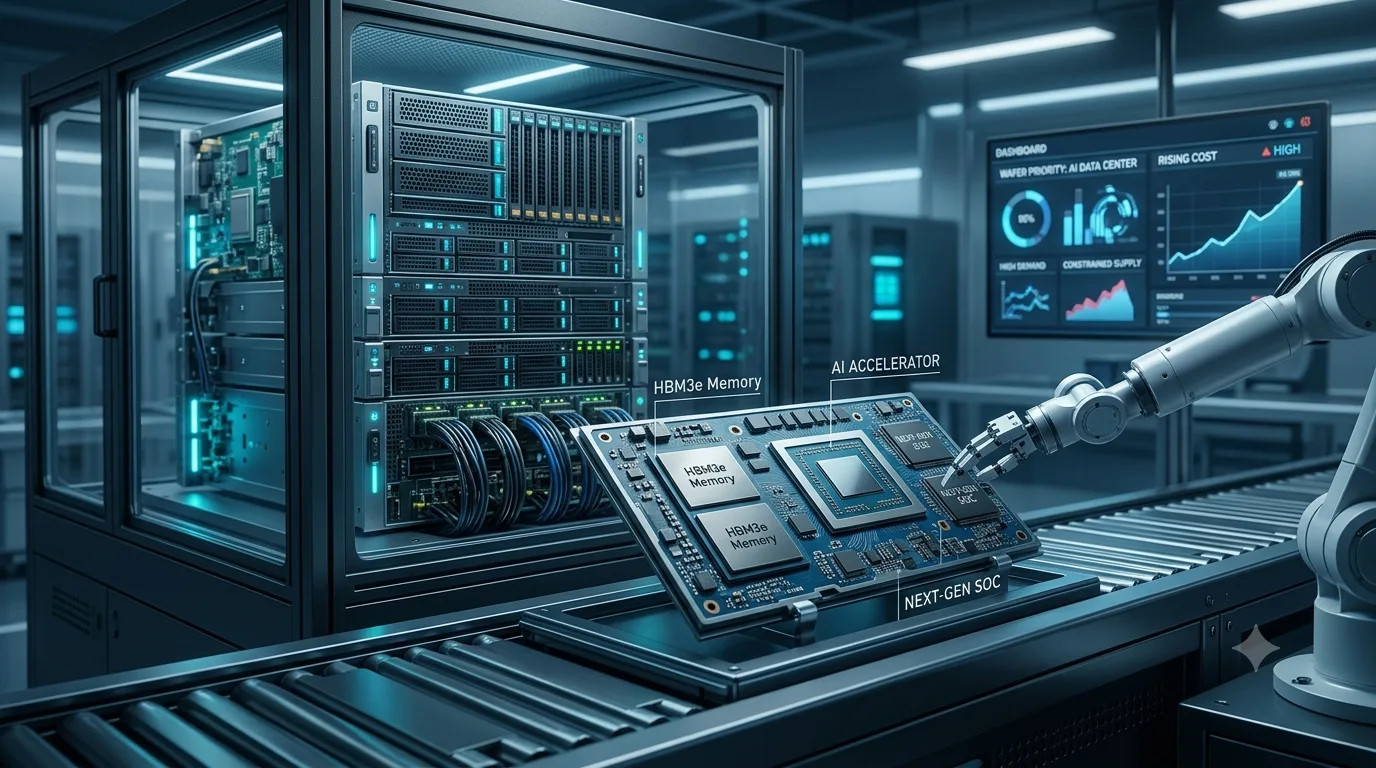
console artificial intelligence is at the heart of the news: The future of game consoles could be more expensive than imagined. According to authoritative industry figures, such as Peter Moore and Shawn Layden, the incessant growth in demand forchipby the AI industry could lead to significant price increases for future generations of consoles. A scenario that sees gaming devices costing around 1,000 dollars, a prospect that until a few years ago seemed like science fiction, but which now appears increasingly concrete.
Update:Concerns about the impact of artificial intelligence on gaming hardware costs emerge from statements by former top industry executives, fueling debate over future manufacturing strategies.
console artificial intelligence - The impact of AI on chip manufacturing
The beating heart of every modern console, as well as artificial intelligence systems, are semiconductors. The production of these components is a complex and resource-intensive process, requiring state-of-the-art facilities and a significant amount of energy. Artificial intelligence, particularly generative models and machine learning applications, requires ever-increasing computing power, resulting in a growing demand for GPUs (Graphics Processing Units) and other specialized chips. This demand, as highlighted by Tom Hardware Italia, is putting pressure on global production capacities.
Competition for hardware resources
The competition for access to these critical components is not just limited to console manufacturers, but extends to a wide range of industries, from automotive to scientific research to the data centers that power cloud services. The AI industry, with its massive investments and rapid expansion, is becoming an increasingly dominant player in this market. As a result, console manufacturers may find themselves competing directly with AI companies for resources, at the risk of facing higher procurement costs. This scenario of scarcity and competition could inevitably be reflected in the final price of devices intended for gamers.
What this means for the future of consoles
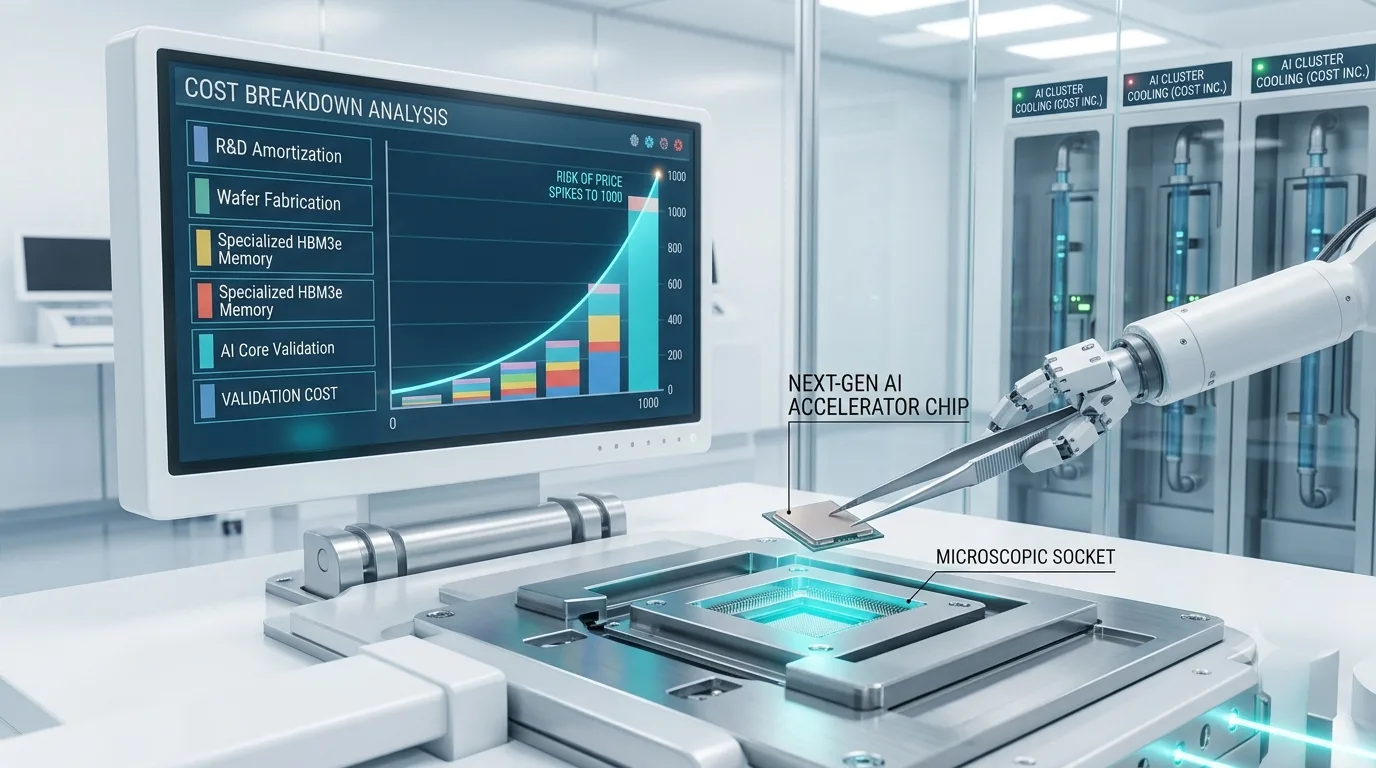
The statements by Peter Moore, former president of Electronic Arts, and Shawn Layden, former president of Sony Interactive Entertainment, highlight a shared concern: rising production costs could make it economically unsustainable for companies to keep console prices at levels accessible to the general public. The goal of a $1,000 console, while it may seem extreme, could become a reality if the current trend persists. This raises important questions about the sustainability of the console business model and their future accessibility.
The statements of Peter Moore and Shawn Layden
Moore and Layden expressed similar fears about the direction the semiconductor market is taking. Layden, in particular, highlighted how the increasing complexity and cost of the components needed for new generations of hardware are already pushing prices up. The additional pressure from demand for AI could accelerate this process, making high-end consoles a luxury for the few.
Future scenario and possible solutions
Faced with this scenario, console manufacturers will have to find innovative strategies to mitigate the increase in costs. This could include greater optimization of production processes, the search for alternative suppliers, or even a redefinition of the hardware architecture of consoles to make it more efficient and less dependent on more expensive components. The integration of AI technologies within the consoles themselves, to optimize performance or offer new gaming experiences, could paradoxically contribute to increasing their cost, creating a vicious circle. The challenge for the industry will be to balance technological innovation with affordability, ensuring that the future of gaming remains an experience for all.
Key Console and AI Components
CPU and GPU:Processors and graphics cards are the most requested components both by game consoles for their graphics processing power and by artificial intelligence systems for parallel computing. Their production is complex and expensive.
RAM memory:Large amounts of RAM are required to handle complex workloads, both in gaming and in training AI models.
SSD Storage:Storage speed is crucial for reducing loading times in games and for fast data access in AI processes.
In conclusion, the growing influence of artificial intelligence on the semiconductor market represents a significant challenge for the future of gaming consoles. Competition for chips and rising manufacturing costs could lead to higher prices, making future generations of consoles less affordable. It will be crucial for manufacturers to find innovative solutions to address this issue and ensure that gaming remains an experience accessible to a wide audience.


Commenti
Ancora nessun commento. Sii il primo a partecipare.