
Anthropic introduces an invisible watermark for texts generated by Claude AI
Anthropic develops invisible watermarking technology for texts generated by Claude AI, similar to Google's SynthID-Text, to improve
What is the invisible watermark ofanthropopic
invisible watermark Claude AI is at the center of the news: Anthropic, the company known for its artificial intelligence model Claude, is introducing a new technology ofinvisible watermarkfor the texts generated by its systems. This innovation aims to make it easier to identify content produced by AI, thus improving traceability and countering potential misuse such as the spread of misinformation. Anthropic's move follows a path already traced by other large companies in the sector, such as Google with its SynthID-Text, confirming a growing attention towards the security and reliability of generative technologies.
How the technology works
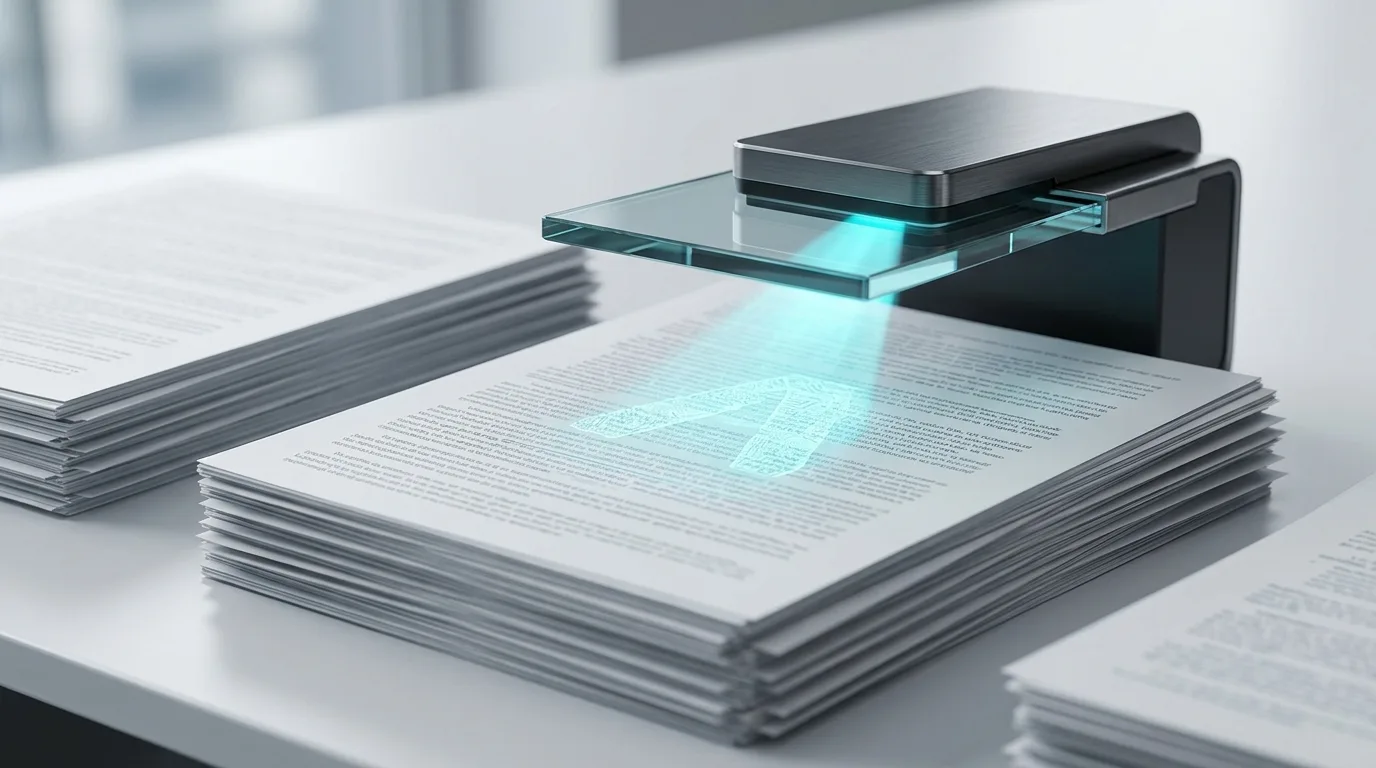
invisible watermark Claude AI - The invisible watermark system developed by Anthropic works by integrating subtle statistical changes into the generated text. These alterations are imperceptible to the human eye and do not affect the readability or coherence of the content, but can be detected by a special algorithm. In essence, every word and sentence produced by Claude AI will contain a sort of latent digital signature that attests to its artificial origin. This approach is designed to be robust, even resisting modifications or paraphrasing of the original text.
Implications for AI safety and trustworthiness
The introduction of an invisible watermark has significant implications for the future of generative artificial intelligence. The ability to confidently distinguish AI-generated text from human-written text is critical to maintaining trust in information and preventing manipulation.
Prevent misinformation and misuse
One of the most immediate uses of this technology is to fight misinformation and fake news. Being able to quickly identify text as AI-generated can help stop the spread of false or misleading content, especially in sensitive contexts like politics or health.
Traceability of generated content
Furthermore, the watermark improves the traceability of the contents. This can be useful in several scenarios, from verifying the authenticity of a document to managing copyrights for AI-created content.
Comparison with similar solutions
As mentioned, Anthropic is not the first to explore this frontier. Google has already unveiled SynthID-Text, a similar technology that applies invisible watermarks to images and text generated by its AI models. These solutions, although with slightly different technical approaches, share the common goal of increasing transparency and security in the field of generative AI. Competition in this field stimulates innovation and leads to increasingly effective tools for managing AI content.
Security and Traceability in AI
The adoption of invisible watermarks represents a crucial step towards a more secure and reliable artificial intelligence ecosystem. It allows you to distinguish the contents generated by AI, facilitating the fight against disinformation and ensuring greater transparency on the origin of the information.
The future of security in generative AI
The trend towards integrating traceability mechanisms into generative AI models is set to consolidate. As these technologies become more powerful and pervasive, the need for tools that ensure their ethical and responsible use will become increasingly pressing. Anthropic, with its new invisible watermarking feature for Claude AI, positions itself at the forefront of this collective effort to build a more secure and transparent digital future.


Commenti
Ancora nessun commento. Sii il primo a partecipare.