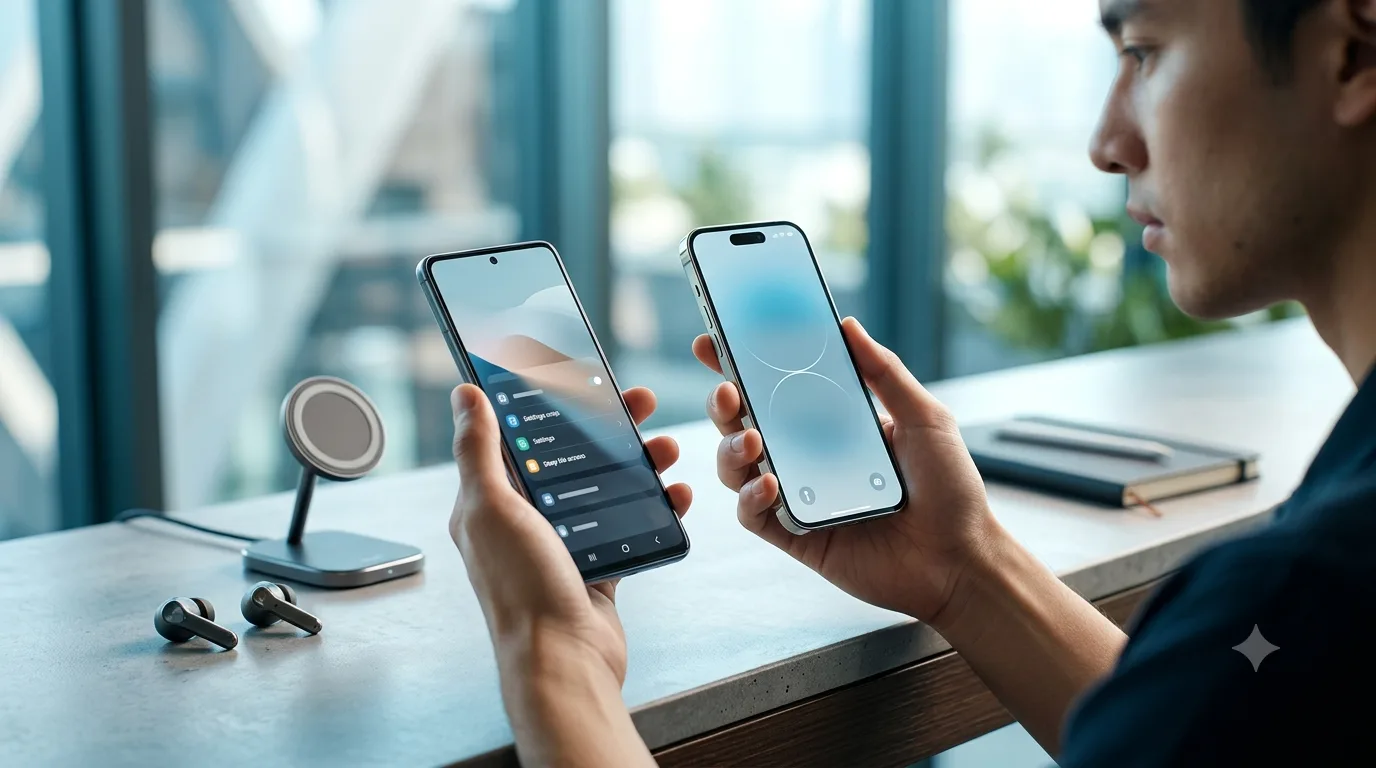
The 5 Android features that users feel most when switching to iPhone
Many Android users who switch to iPhone miss some key features. Find out what the 5 most requested features are and why
Switching from one operating system to another, especially betweenandroidand iOS, can reveal significant differences in user experience. While the Apple ecosystem is renowned for its fluidity and security, many former Android users find themselves regretting some specsAndroid features missing iPhone. This phenomenon is not new and, as highlighted byAndroid Authority, persists well into 2026, suggesting that Apple has not yet filled all the gaps perceived by users accustomed to Android's flexibility. Let's explore together what are the five features that are most often cited as absent or less developed on the iPhone.
iOS and the evolution of features
In recent years, Apple has introduced several new features in iOS that are inspired by features that have long been present on Android, such as customizable widgets and greater flexibility on the lock screen. However, the pace of adoption is often slow and the implementation does not always achieve the same level of freedom offered by Google's operating system, leaving a gap for more demanding users.
The iPhone's Missing Android Features: An In-Depth Analysis
When it comes toAndroid features missing iPhone, reference is made to those features which, although not essential for everyone, represent a significant added value for a portion of users. These include aspects related to customization, file management, advanced multitasking and freedom in application management. Apple's design philosophy, oriented towards simplicity and centralized control, often clashes with the expectations of those coming from a more open and configurable environment such as Android.
Customization and system freedom: a pillar of Android
One of the first areas where Android users notice a difference is customization. Android offers almost unlimited freedom to modify the user interface, from alternative launchers to icon packs, to the ability to install custom ROMs. On iPhone, while iOS has made strides with widgets and lock screen customization options, the experience remains more rigid and controlled. The ability to change the launcher or have granular control over the appearance of the system is still a dream for iOS users.
Advanced widgets and flexible file management
Widgets on Android have always been more powerful and interactive, offering detailed information and direct controls without having to open the app. On iOS, widgets have improved, but they often remain more static and less functional. Another much appreciated feature on Android is file management, with a complete file manager that allows you to access, organize and transfer documents, images and videos with ease, even between different apps or external devices. This flexibility is largely absent on the iPhone, where file management is more compartmentalized and tied to the Apple ecosystem.
Multitasking and flexibility of daily use
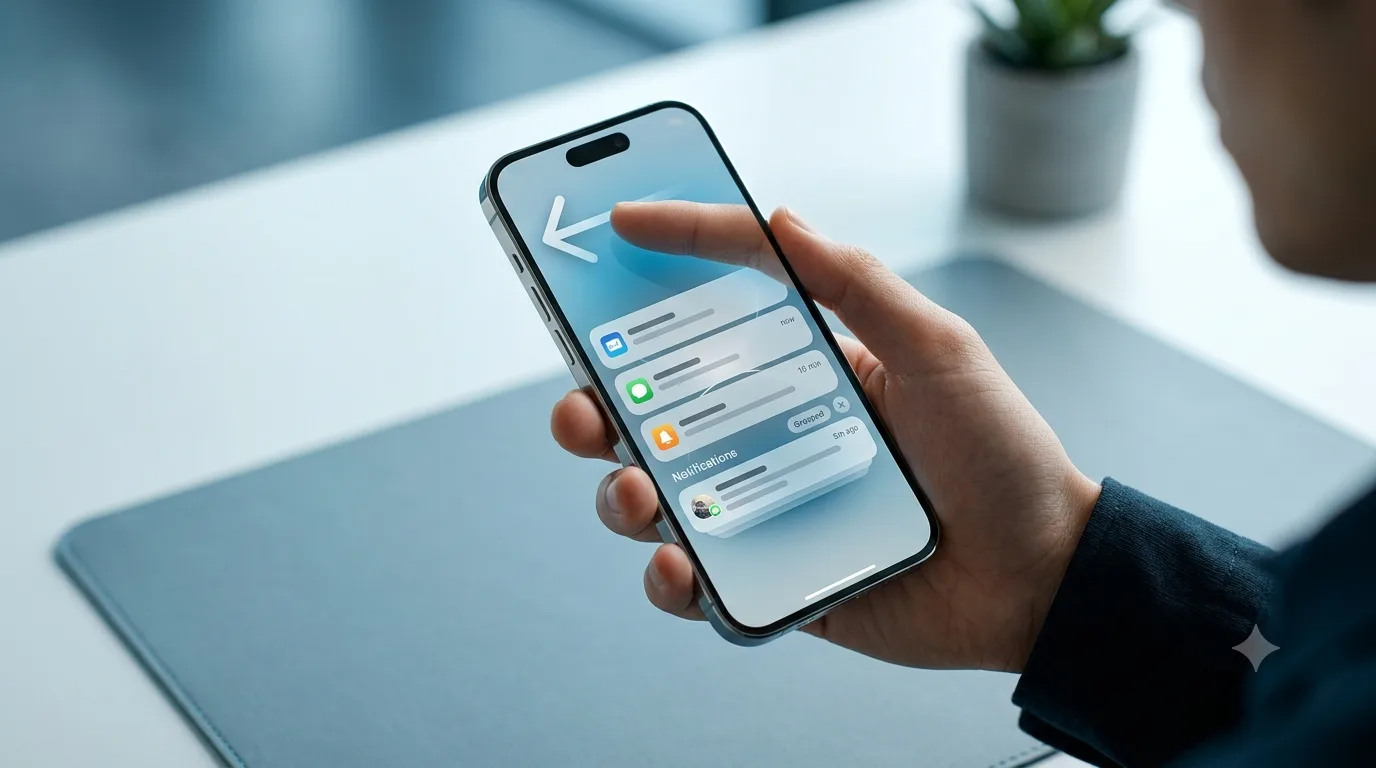
Multitasking is another strength of Android. The ability to run two apps simultaneously in split-screen mode or have floating windows is a convenience that many Android users take for granted. On iPhone, the multitasking experience is more limited, with a focus on quickly switching between apps rather than running them simultaneously. Notifications on Android are also often more interactive, allowing you to reply to messages or perform actions directly from the notification bar, without having to open the application.
Split-screen and interactive notifications
Split-screen mode, found on many Android devices, allows you to split the screen between two applications, improving productivity. This feature, although present on the iPad, is still absent on the iPhone, limiting the possibilities for advanced multitasking. Android's interactive notifications, which let you expand, reply to, or archive messages directly from the notification, offer an efficiency that iOS has only partially emulated, often with fewer options and less immediacy.
App management and the openness of the ecosystem
Android offers greater freedom in app management, including the ability to set default apps for different functions (browser, email, launcher) and, in some cases, to install apps from sources outside the Play Store (sideloading). This openness contrasts with the more closed approach of iOS, where the App Store is the only official source of applications and options for default apps are more limited. App cloning, which allows you to have multiple instances of the same application (useful for multiple social media accounts), is another Android feature that isn't directly reflected on the iPhone.
Conclusions: a gap that persists in 2026?
Despite Apple's efforts to improve iOS and integrate some of Android's most popular features, the gap in customization, advanced multitasking, and freedom of app management persists. TheAndroid features missing iPhonecontinue to represent a sore point for those accustomed to Google's more open and flexible approach. While iOS excels in other aspects such as security and hardware-software integration, the choice between the two operating systems often comes down to a question of personal priorities: a more controlled and uniform experience or greater freedom and customization.


Commenti
Ancora nessun commento. Sii il primo a partecipare.