OpenAI: the future of AI focuses on a portable assistant, not a smartphone
OpenAI is developing a portable AI device, moving away from the idea of a smartphone. A step forward in the future of artificial intelligence.
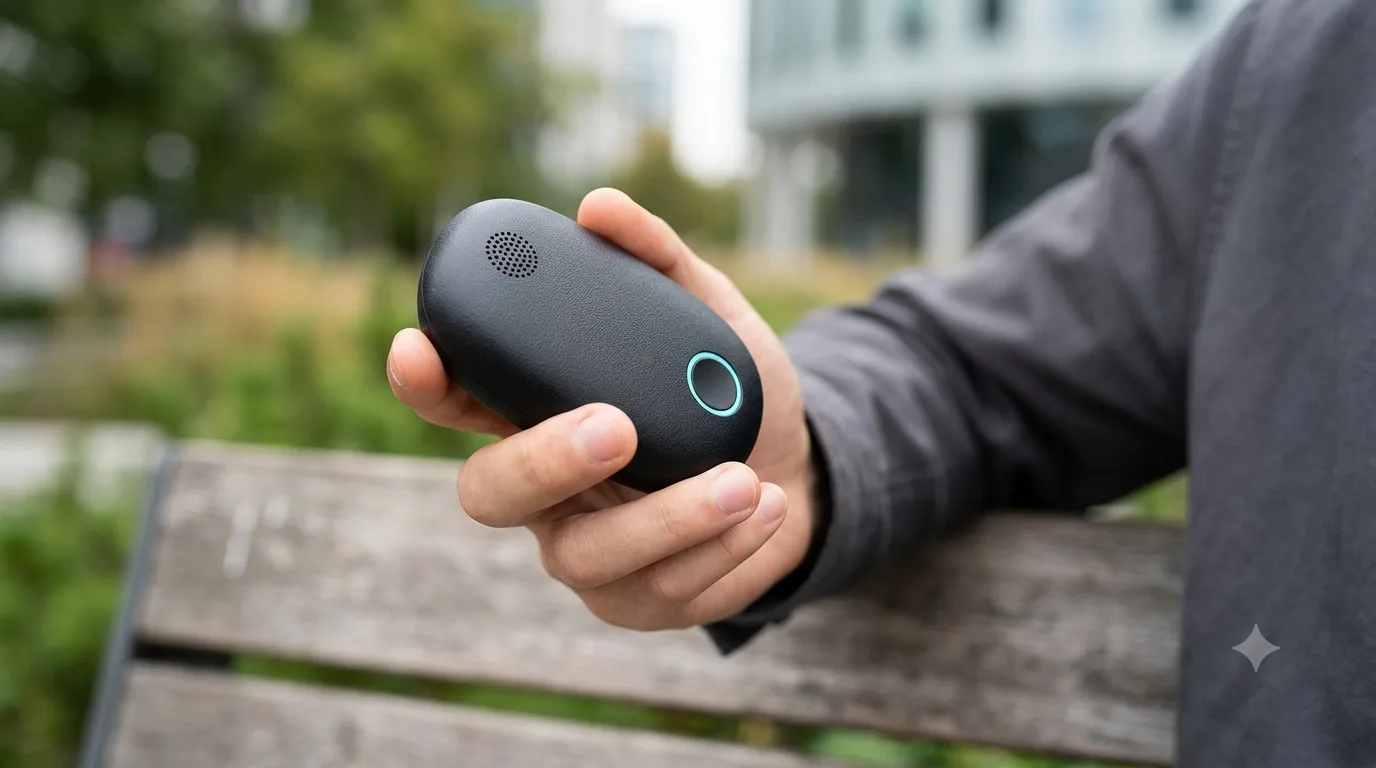
OpenAI seems to have outlined a new strategic direction that does not involve the creation of a smartphone, but rather the development of oneportable AI assistant. This move indicates a clear intent to differentiate itself from the traditional mobile market and focus on a user experience focused exclusively on artificial intelligence. While the debate on integrating AI into existing devices becomes increasingly heated, OpenAI seems to want to take an autonomous path, focusing on dedicated hardware that can offer advanced AI features in a more efficient and integrated way than is possible with a common smartphone. This vision could redefine the concept of human-machine interaction.
OpenAI's strategy: a device dedicated to AI
Rumors suggest that OpenAI is actively working on building its own hardware device. Unlike many other players in the tech industry looking to integrate AI into existing smartphones and other devices, OpenAI appears to be taking a more radical approach. The goal would be to create a portable AI assistant, a device designed from the beginning to maximize the potential of AI, without the compromises imposed by the architecture of a generalist mobile operating system. This could translate into faster processing speed, better resource management and a more intuitive and specific user interface for interactions with AI.
Why a portable AI assistant instead of a smartphone?
OpenAI's choice to focus on a portable AI assistant, rather than competing in the already crowded smartphone market, reflects a targeted strategy. A dedicated device could offer a smoother and more performant user experience for AI applications. The potential advantages are many:
Advantages of dedicated hardware
Hardware designed specifically for AI could integrate optimized processors, dedicated memories, and efficient cooling systems, allowing it to execute complex language models and other AI functions with reduced latency and optimized power consumption. This would result in faster responses and a greater ability to handle complex tasks in real time.
Differentiation from the mobile market
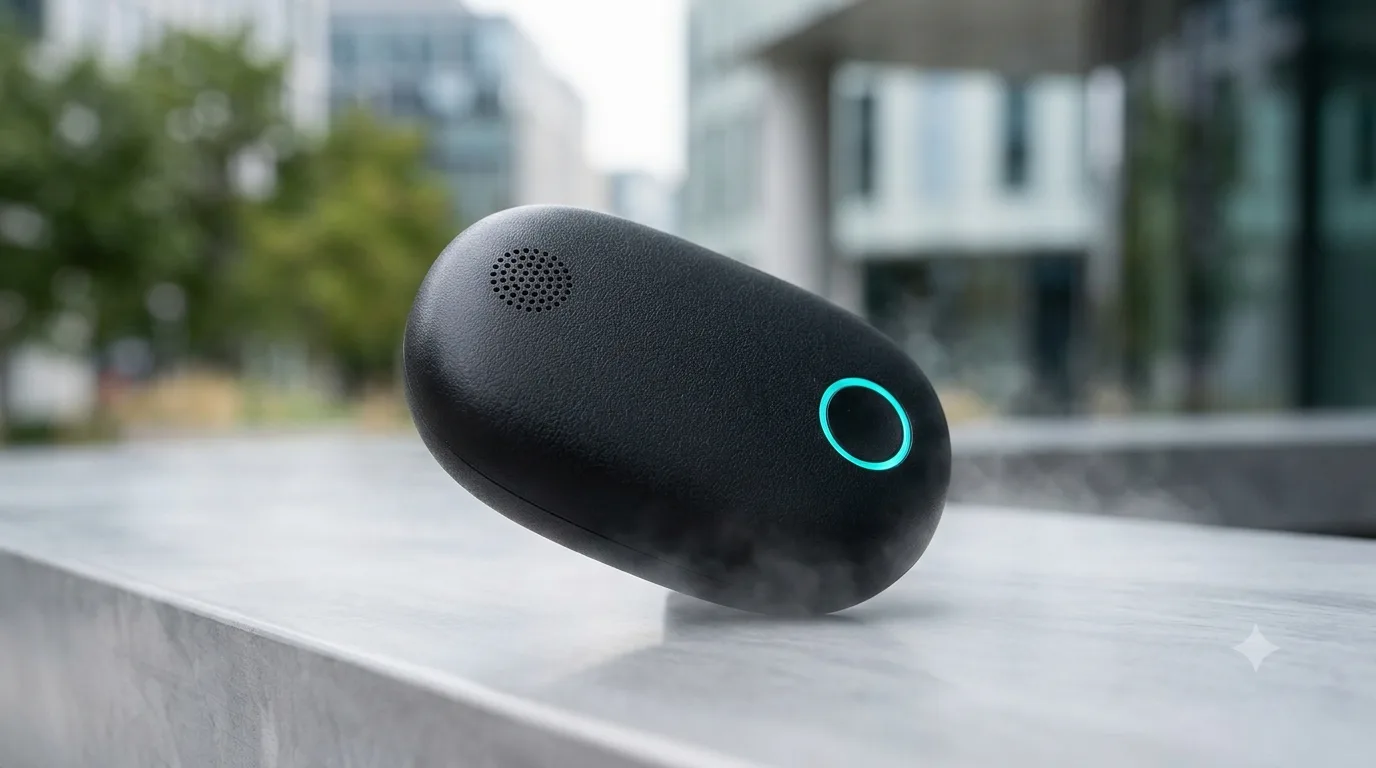
Creating a device distinct from smartphones allows OpenAI to avoid direct competition with giants like Apple and Google, which dominate the mobile market with their established ecosystems. Instead, OpenAI could position itself as a leader in a new category of devices, focused on advanced interaction with artificial intelligence, potentially integrating features that go beyond those offered by current voice assistants.
The legal context with Apple
News of OpenAI's development of a portable device emerges at a time of growing legal tension between the artificial intelligence company and Apple. The latter recently introduced new AI features into its operating systems, and is also rumored to be exploring the possibility of creating its own dedicated AI hardware. OpenAI's move could also be interpreted as a strategic response to assert its independence and its vision of the future of AI, avoiding being further tied to or influenced by the decisions of other large technological players.
Updates on the future of OpenAI
Theinformationon OpenAI's future hardware are still under development and could evolve. The company seems determined to explore new frontiers in human-machine interaction, with a focus on advanced and accessible artificial intelligence. We await further developments and official announcements.
Conclusion: The future of AI is portable
The direction taken by OpenAI with itsportable AI assistantmarks a potential turning point in the technology sector. By abandoning the idea of a traditional smartphone, the company aims to define a new category of devices, where artificial intelligence is not an addition, but the beating heart of the user experience. This approach could lead to significant innovations in the way we interact with technology and AI in our daily lives, making artificial intelligence increasingly pervasive and integrated into our lives, but in a more dedicated and specialized form than we are used to today.
Source:hdblog


Commenti
Ancora nessun commento. Sii il primo a partecipare.