
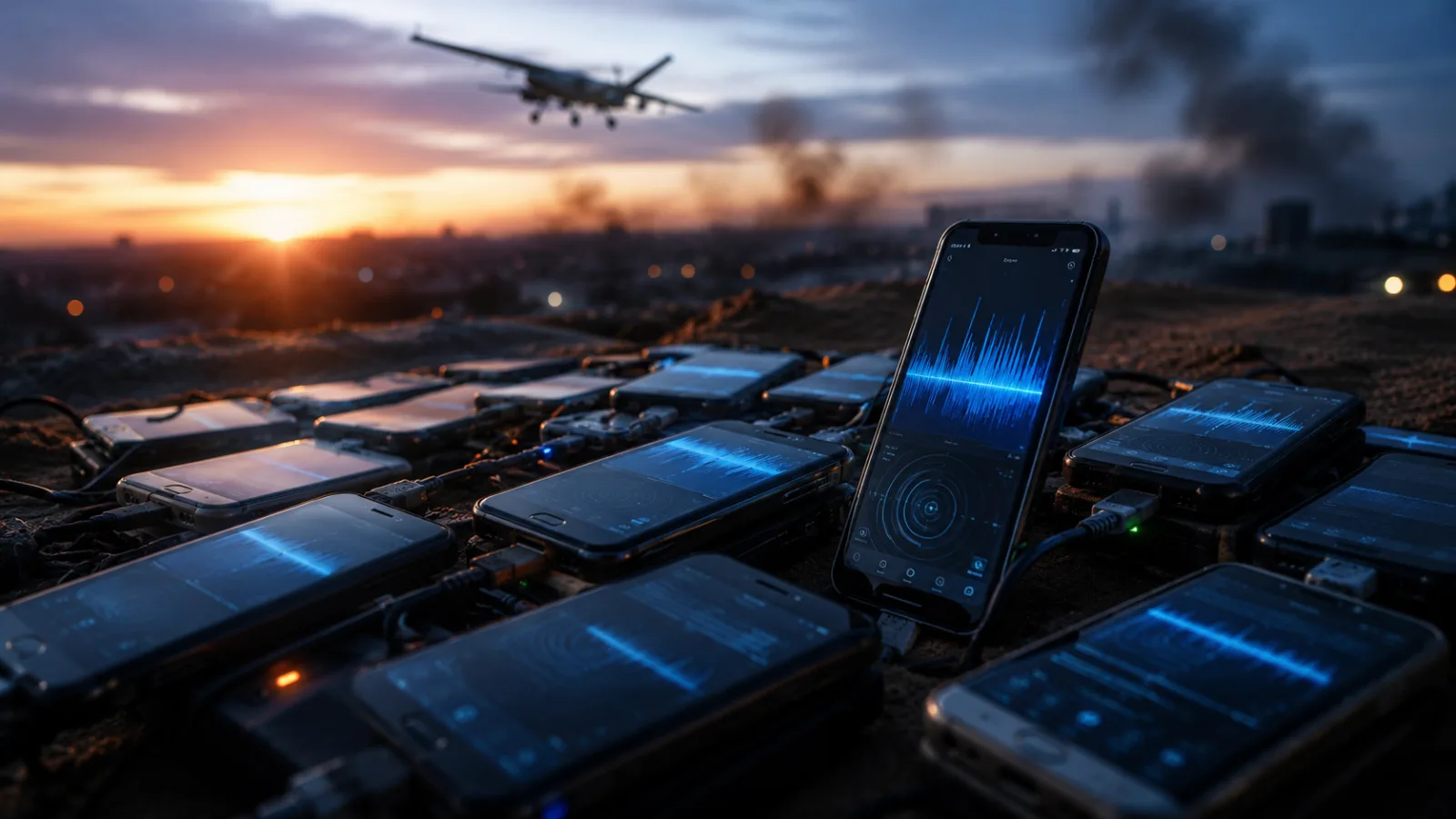
Old Android smartphones become acoustic shields against Shahed drones
An innovative solution turns old Android smartphones into acoustic sensors to detect the presence of Shahed drones, offering a new level
androidagainst Shahed drones: thousands of old smartphones detect them in flight
android against shahed drones is at the center of the news: In the complex scenario of modern security, the threat represented by drones, in particular those of the Shahed type, has prompted the search for innovative and accessible solutions. A surprising answer comes from the mobile world: thousands of old Android smartphones, thanks to a dedicated application, can be transformed into effective acoustic sensors capable of identifying and reporting the presence of these unmanned aircraft in flight. This initiative, reported byHDBlog, demonstrates how consumer technology, often considered obsolete, can find new and crucial applications in unexpected areas, such as defense and security.
Security Update:Using older Android devices for Shahed drone detection represents a low-cost, distributed approach to increasing situational awareness in risky areas.
The Shahed drone challenge and the technological response
Shahed drones, known for their attack capability and their spread in various conflict contexts, pose a significant challenge in terms of surveillance and defense. Detecting them promptly is essential to be able to implement effective countermeasures. The proposed solution exploits an intrinsic feature of smartphones: their microphones. By analyzing the sound frequencies emitted by Shahed drones, the application is able to distinguish them from common environmental noises, alerting the user or a centralized system of their presence.
android vs drones shahed - How the drone detection app works with Android
The application in question transforms every compatible Android smartphone into a node of an acoustic detection network. The principle is based on continuously listening to the surrounding environment and processing the collected audio data. When the system identifies a sound signature attributable to a Shahed drone, it sends a notification. This distributed approach allows you to cover large areas with a multitude of low-cost sensors, exponentially increasing the chances of intercepting a hostile aircraft.
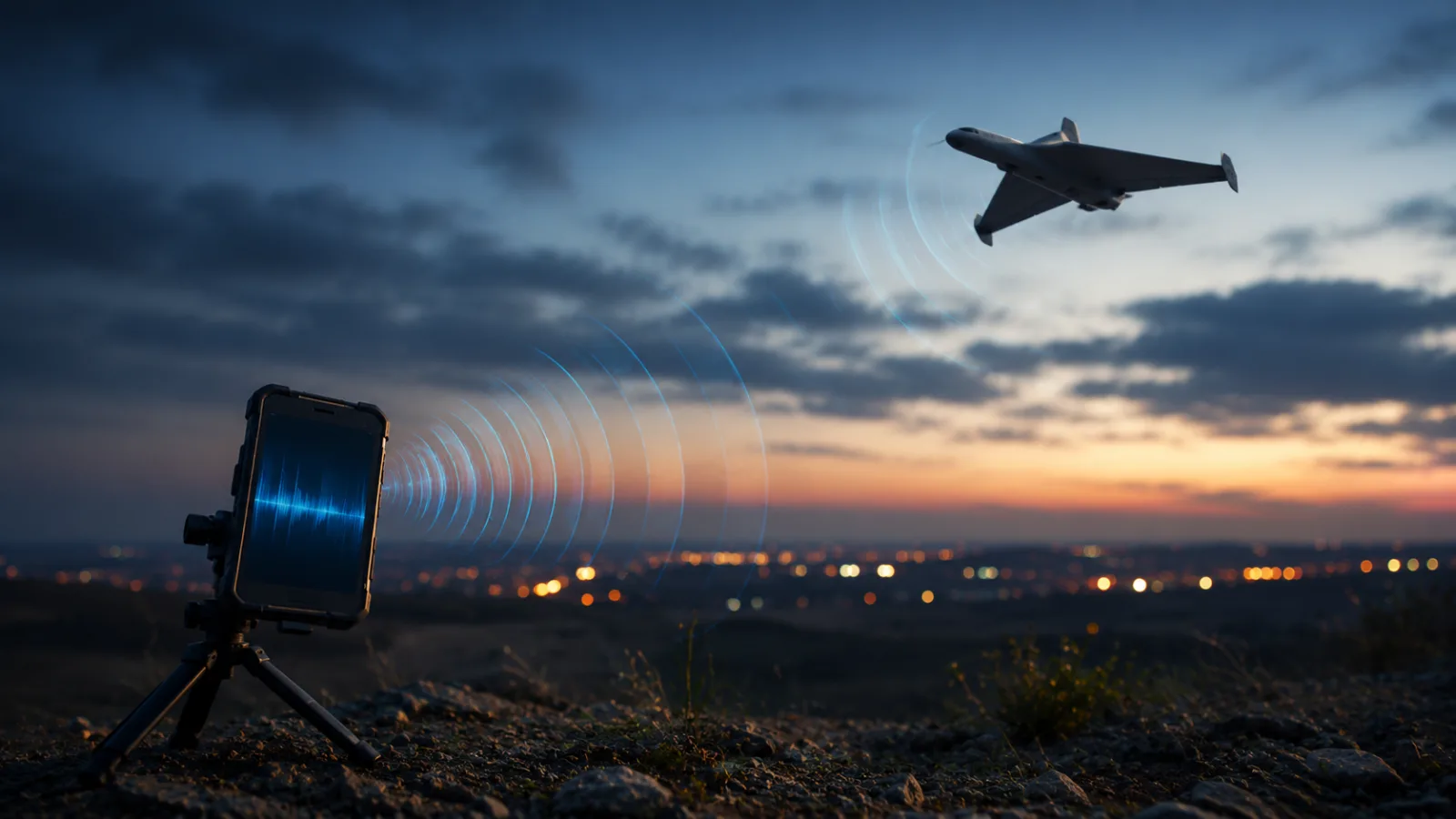
The role of Android smartphones
Android smartphones, thanks to their widespread diffusion and the variety of models available on the market, represent an ideal platform for this type of initiative. Many users have older devices that, while no longer cutting edge for everyday use, retain their basic capabilities, including audio recording, fully operational. Reusing these devices in this way not only offers a safety benefit, but also helps reduce electronic waste.
Acoustic analysis and identification of drones
The key to the system lies in the acoustic analysis algorithms employed by the app. These algorithms are trained to recognize the specific sound characteristics of Shahed drone engines. The ability to distinguish these sounds from other environmental noises, such as traffic, wind or other human activities, is crucial to avoiding false alarms and ensuring system reliability. The continued evolution of these algorithms, supported by machine learning, promises to further improve detection accuracy.
Implications and future of technology
The initiative to use the Android smartphone network against Shahed drones opens up interesting scenarios for civil and military security. It could represent a complementary solution to radar or visual detection systems, especially in contexts where the latter are less effective or too expensive to implement on a large scale. The success of this project could spur further developments in the use of consumer devices for advanced security purposes, once again demonstrating the versatility and unexplored potential of mobile technology.
Frequently Asked Questions (FAQ)
- Does the app work with all Android smartphones?Effectiveness depends on microphone quality and operating system compatibility, but it is designed to work on a wide range of devices.
- Is it necessary for the smartphone to be connected to the Internet?A data connection is required to send notifications and update algorithms, but acoustic detection can also take place offline.
- What is the scope of the detection?The range depends on various environmental factors and the type of drone, but the goal is to cover a useful radius for early warning.


Commenti
Ancora nessun commento. Sii il primo a partecipare.