Google Play Store: Third-party app stores are arriving in the USA
Google Play Store begins distributing third-party app stores in the US. Find out how it works and what changes for Android users.
googlePlay Store opens the doors to alternative stores
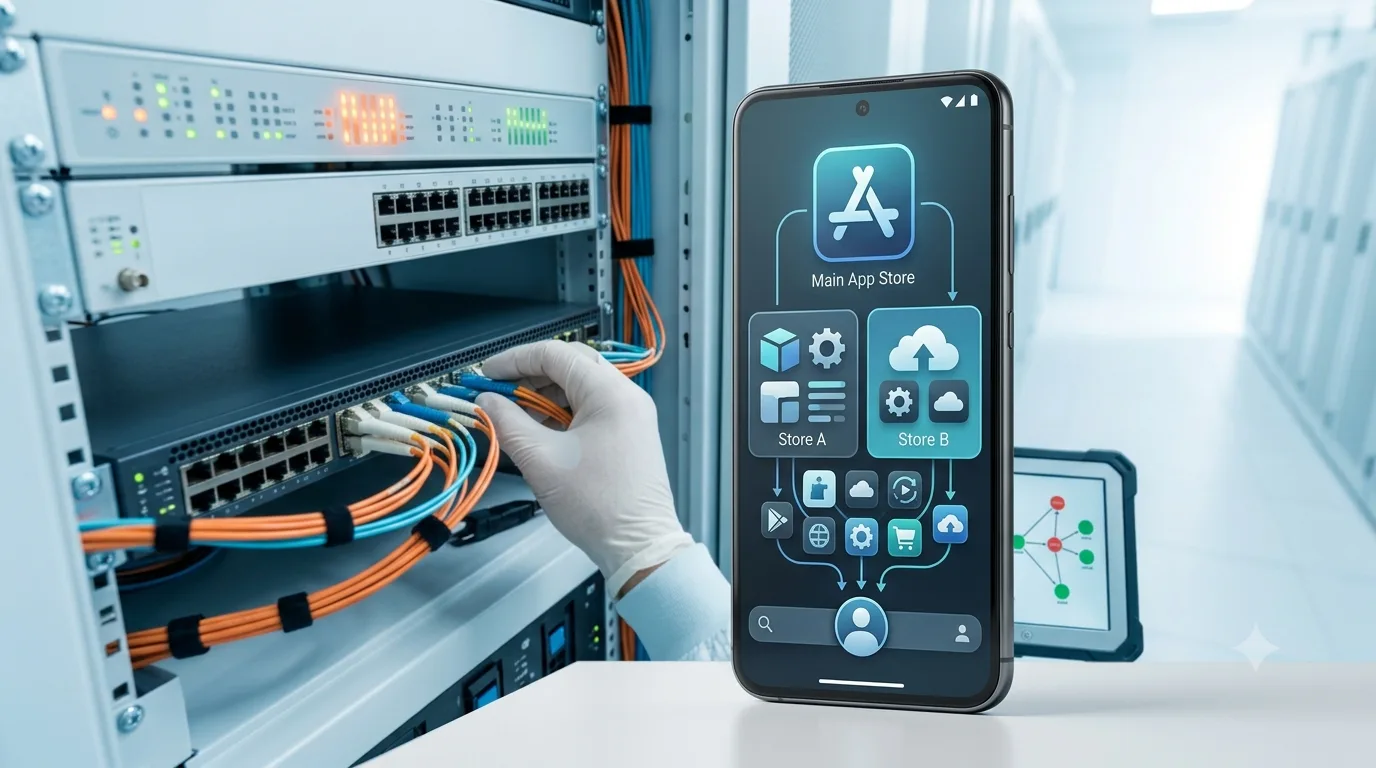
Google Play Store third-party store is at the center of the news: Following long legal battles, Google has decided to open theGoogle Play Storeto third-party app store distribution in the United States. This move represents a significant change in the Android ecosystem, allowing users to access alternative marketplaces directly through the official Play Store. The novelty, already in the distribution phase, aims to comply with antitrust regulations and offer greater flexibility to developers and consumers. The integration of these external stores promises to broaden the choice available to users, while maintaining a certain level of control and oversight from Google.
How third-party store distribution works
Google Play Store third-party stores - The process of integrating alternative marketplaces into the Google Play Store has been designed to be as transparent as possible for the end user. Google has introduced new terms of service that allow developers to offer their own stores within the main platform. This means that users will be able to discover and download third-party app stores without necessarily having to leave the Play Store environment. The novelty was initially launched in the United States, with potential future expansions in other regions.
Developer requirements
In order to be distributed via the Google Play Store, third-party stores must meet certain requirements imposed by Google. These include compliance with Google's security and privacy policies, as well as adhering to specific technical guidelines. While the precise details are still being finalized and may evolve, the goal is to ensure a certain standard of quality and security for the hosted stores. This approach aims to balance market openness with protecting users from potential risks related to unverified software.
Implications for users
For Android users, this innovation translates into greater freedom of choice. They will be able to explore alternative stores that may offer apps not available on the main Play Store, or perhaps offer different pricing models. However, it is essential that users pay attention to the origin of apps downloaded from third-party stores, as Google will not be able to guarantee the same level of security and control that it applies to apps on its own marketplace. The responsibility for verifying the safety and reliability of the apps will fall partly on the user.
The regulatory context and future implications
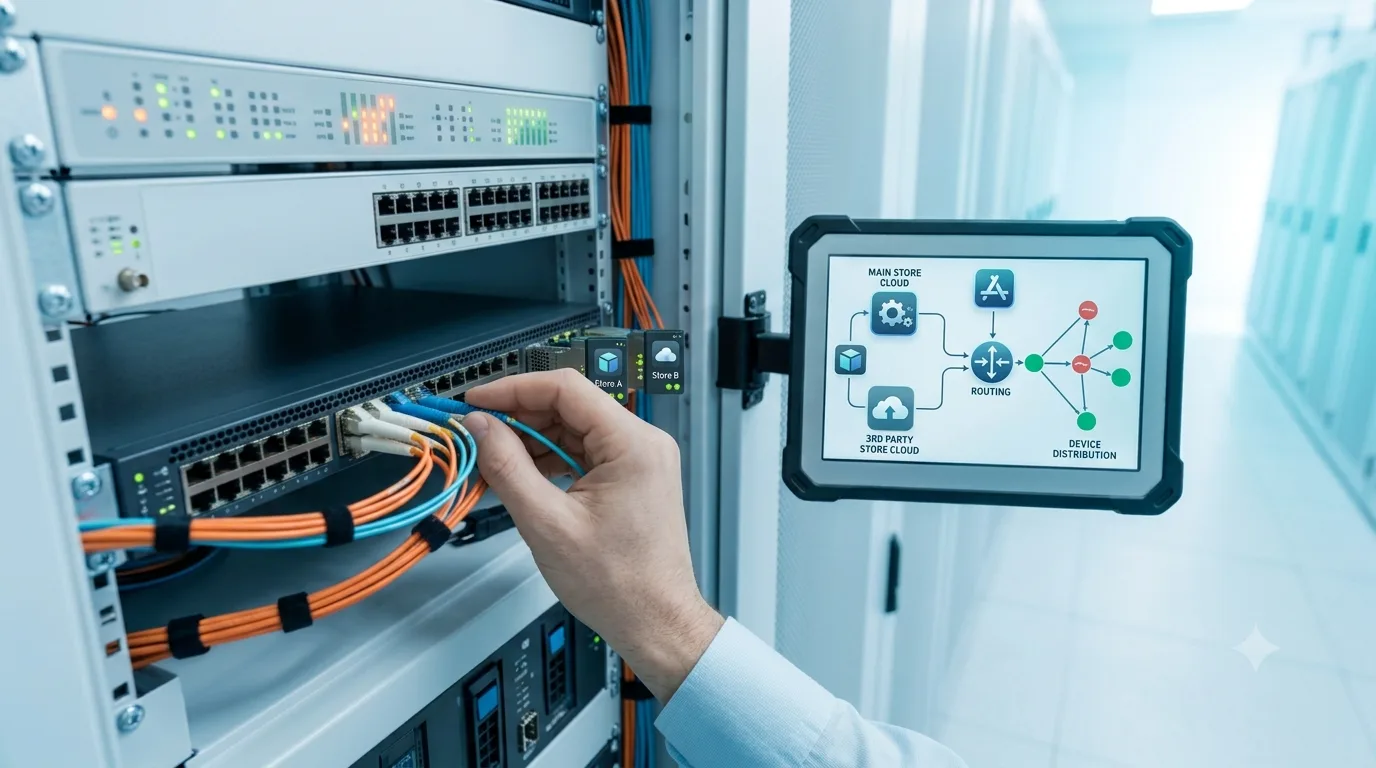
The introduction of third-party stores into the Google Play Store is a direct result of regulatory pressure, particularly in the United States, where Google has faced several lawsuits regarding its monopoly practices in the app market. The opening of alternative stores is an attempt by Google to demonstrate greater openness and compliance with antitrust laws. This change could have significant implications across the entire Android app distribution landscape, spurring greater competition and potentially leading to faster innovation in the industry.
Future updates
The Google Play Store may in the future notify users when a downloaded app is removed and will no longer receive updates. This early warning would help users manage outdated apps on their devices, improving overall system security and performance.
Useful resources
To learn more about the operating methods and implications of this new distribution policy, we recommend consulting official Google communications and detailed analyzes published by authoritative sources in the mobile sector.


Commenti
Ancora nessun commento. Sii il primo a partecipare.