Google Health and Fitbit Air: Google's new strategy
Discover the Google Health revolution with Fitbit Air: an AI ecosystem for personalized well-being that unifies health data and minimalist wearables.
Google Health and Fitbit Air: Mountain View's new strategy
WithGoogle Healthand the newFitbit Air, Mountain View completely changes its approach: fewer notifications, more real well-being and an AI coach that promises to revolutionize the way we monitor health, sleep and fitness.
A fragmented ecosystem: Google's historical problem
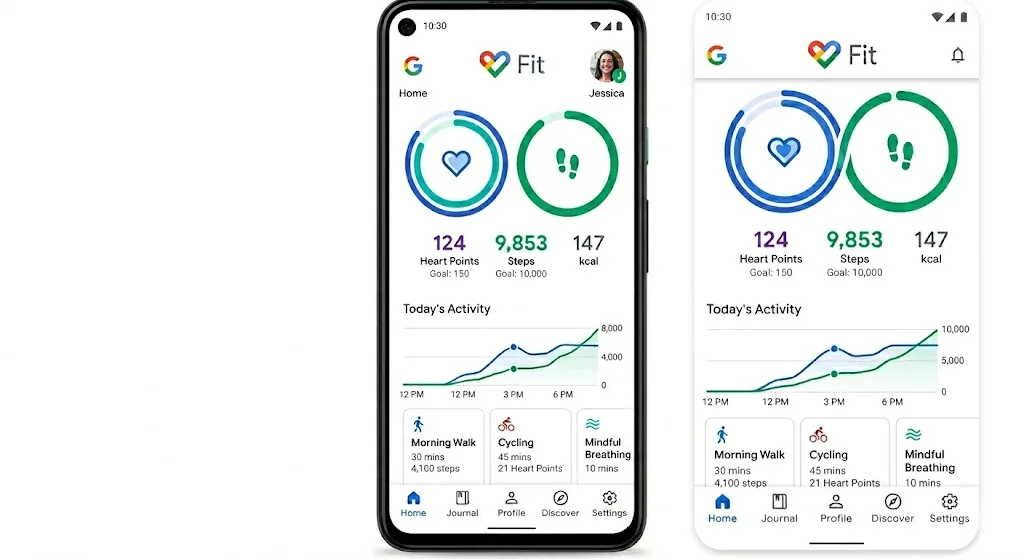
For years, Google has had a huge problem in the health and fitness space: too many services, too many apps, too many names.
There were Fitbit, Google Fit, Health Connect, not to mention the integrations with Pixel Watch and third-party platforms.
Result:a powerful, but incredibly fragmented ecosystem. For the average user it was real chaos.
Fitbitbecomes Google Health
Now Google seems to have decided to tidy up. The transformation is radical:Fitbit becomes Google Health, not only as an aesthetic rebranding, but as a unique platform dedicated to health, fitness and personal well-being.
One hub for all your data
The new Google Health app will collect data from:
-
Smartwatches and fitness trackers
-
Sports apps
-
Medical devices
-
Digital medical records
Everything will be available on both Android and iPhone, even without owning a Google or Fitbit wearable, demonstrating the goal of creating an open platform not tied to hardware alone.
Compatibility and integration
According to Google, Google Health will be compatible with hundreds of apps and devices, including:
-
Peloton
-
MyFitnessPal
-
Dexcom
-
Abbott
-
appleHealth
-
HealthConnect
The goal is simple:all your health data in one place, automatically synchronized: steps, sleep, heart rate, workouts, calories, blood sugar and vital signs.
Simplified interface: goodbye complex graphics
Google has redesigned the app to avoid the classic "astronaut dashboard effect".
The four main sections will be:
-
Today
-
Fitness
-
Sleep
-
Health
A clean, immediate and readable interface, as Fitbit users have been asking for for years.
Google Health Coach: the real leap
An AI coach for well-being
The main novelty isGoogle Health Coach, powered by Gemini artificial intelligence.
It doesn't just collect data: it interprets the physical state and turns numbers and metrics intoconcrete advice, contextualizing:
-
Sleep quality
-
Physical recovery
-
Stress and cardio load
-
Diet
-
Training and signs of fatigue
The goal: to become a personal wellness assistant available 24 hours a day.
Advanced data analysis
AI can analyze:
-
Photos of meals
-
Medical data
-
Sleep pattern
-
Heart rate
-
Training history
Google aims to transform Fitbit from a simple tracker toAI-based health platform.
Fitbit Air: the counter-current wearable
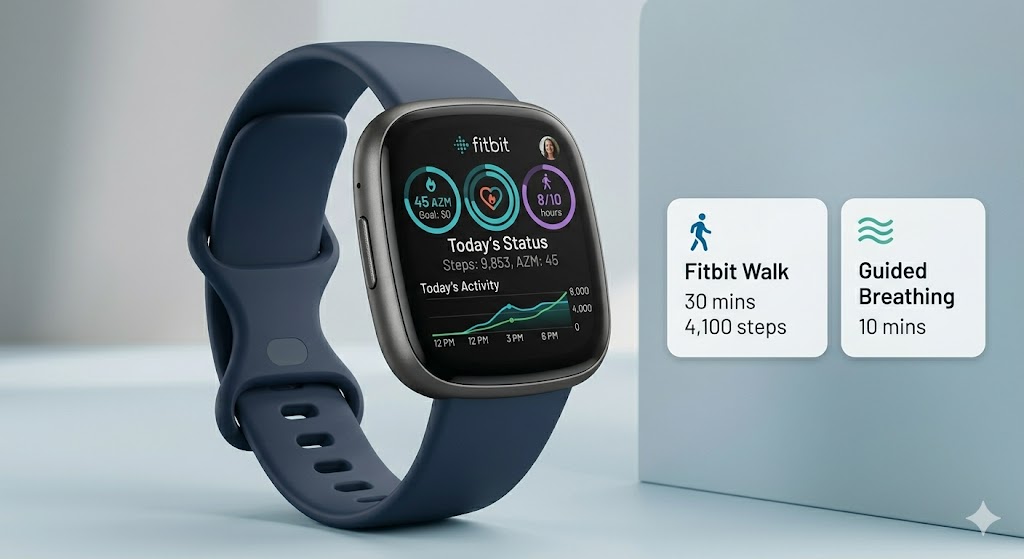
In 2026 the trend was towards large smartwatches, with lots of notifications. Google does the opposite:Fitbit Airit's a devicewithout screen.
Main features
-
No notifications, WhatsApp or distractions
-
Weight: 5.2g without strap, 12g with strap
-
Autonomy: up to 7 days
-
Magnetic fast charging
-
Sensors: optical heart rate, SpO2, HRV, skin temperature, AFib detection, advanced sleep monitoring, workout recognition
Price:99.99 euros.
The wearable is designed for those who want to monitor health and fitness without having a display always on.
Integration of digital medical records
Google Health also aims to integrate medical records:
-
In the US, users will be able to connect their healthcare provider to import tests, medications, vital signs and laboratory results
-
FuturesSmart Health Linksthey will allow you to share data with doctors or family members
The goal is to transform Google Health intocenter of personal health management.
Privacy and security
Google reassures users on:
-
No use of data for advertising
-
Protection via multi-level encryption
-
Use of data for AI disabled by default
-
Explicit consent required for any use
However, some Fitbit social features will disappear: badges, communities, feeds, groups and direct messages will be eliminated to focus on AI and health integration.
Google's strategy
Google doesn't just want to sell wearables: it aims to create acomplete health ecosystem:
-
Hardware
-
Software
-
Artificial intelligence
-
Health data
-
Personalized coaching
-
Premium memberships
The Fitbit Air is simply thereentrance doorto Google Health Premium, making health monitoring cheaper, less invasive and more focused on real well-being.
Risk and future vision
Google has shut down many services in the past, generating mistrust.
This time, however, the strategy seems different:a long-term project, with the aim of becoming a point of reference in the rapidly growing digital health market.


Commenti
Ancora nessun commento. Sii il primo a partecipare.