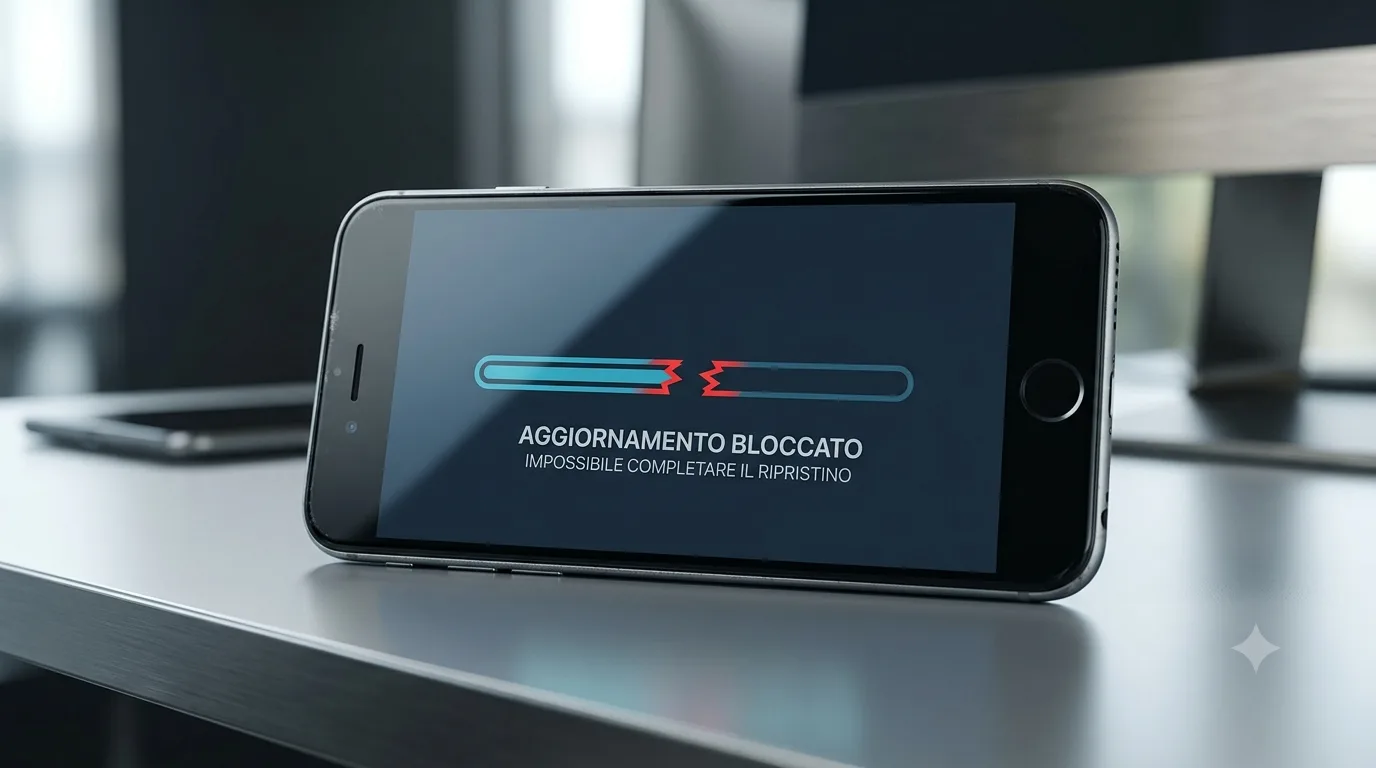
Apple blocks the restoration of old iPhones and iPads: goodbye to iOS 6-10 for some models
Apple has stopped signing several versions of iOS for some legacy iPhone and iPad models, preventing the software from being restored or downgraded.
What does it mean to "sign" software?
WhenappleBy "signing" a version of iOS or iPadOS, you are essentially authorizing that specific version of the operating system to be installed on compatible devices. This process occurs through dedicated servers that verify the authenticity and integrity of the software before allowing recovery via iTunes or Finder. Once Apple stops signing a version, you can no longer install or restore it on your devices, even if you have the correct IPSW file. Today's news concerns a specific change: Apple has not stopped signing iOS versions themselves, but has stopped signing the modem firmware (baseband), closely linked to those releases. This means that although the operating system may still be present, the cellular modem may not function properly if you attempt to install versions that are no longer signed.
Important Update
Apple has stopped signing several versions of iOS for a group of legacy iPhone and iPad models. This move prevents users from restoring or downgrading software on affected devices, effectively limiting operating system management options.
Which devices are affected?
Apple's decision affects a number of older models, particularly those equipped with cellular connectivity. Among the affected devices we find: iPhone 4 (CDMA) for iOS 7.1.2, iPhone 4S for iOS 6.1.3, 8.4.1, 9.3.5 and 9.3.6, iPhone 5 (GSM and CDMA) for iOS 8.4.1, 10.3.3 and 10.3.4, iPhone 5c (GSM and CDMA) for iOS 10.3.3, iPad 2 (Wi-Fi + 3G, CDMA) for iOS 6.1.3, 8.4.1, 9.3.5 and 9.3.6, 3rd generation iPad (GSM and CDMA) for iOS 8.4.1, 9.3.5 and 9.3.6, 4th generation iPad (Wi-Fi + Cellular) for iOS 8.4.1, 10.3.3 and 10.3.4, and iPad mini (Wi-Fi + Cellular) for iOS 8.4.1, 9.3.5 and 9.3.6. Interestingly, all models involved are cellular variants; Wi-Fi-only iPads are not affected since they do not have a cellular modem.
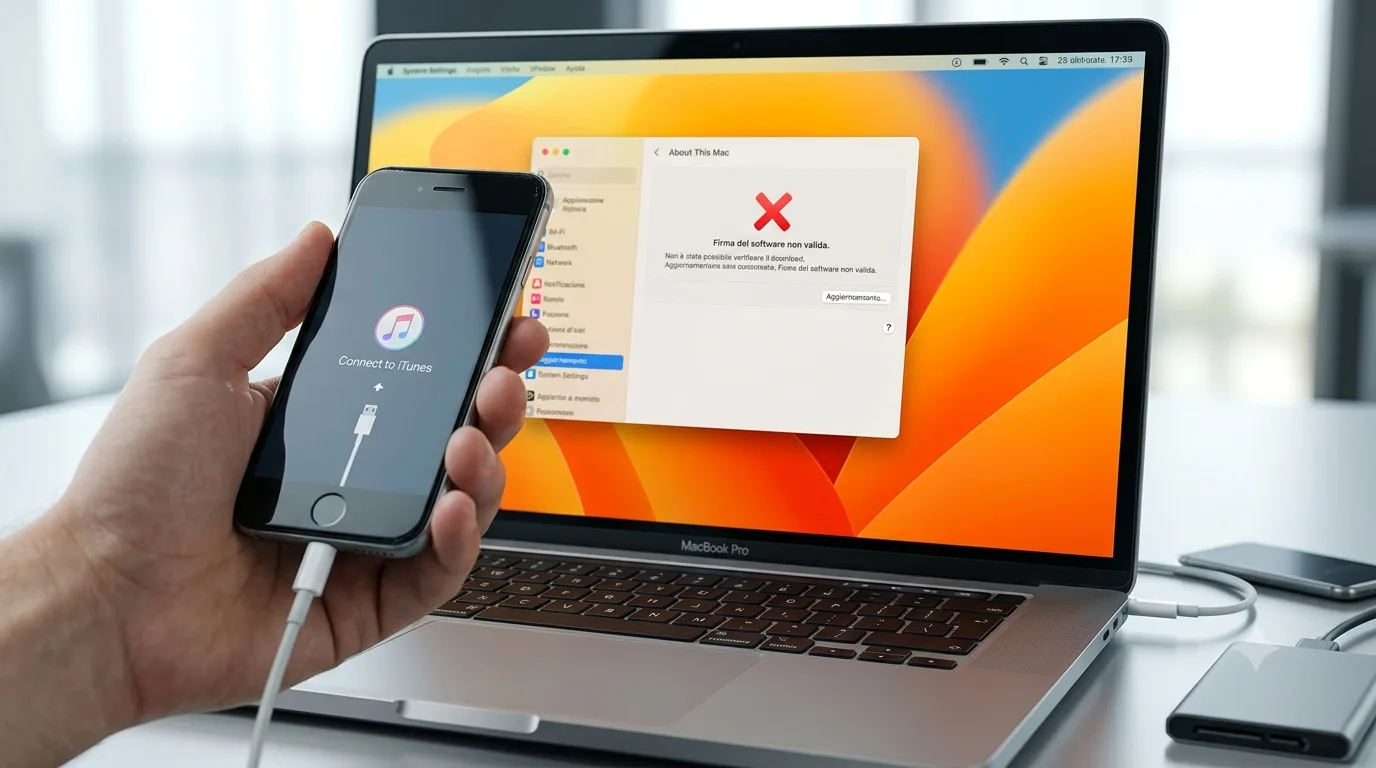
Apple blocks iPhone restore - Why does Apple block restore?
The main reason behind this move by Apple, as often happens, is related to the security and stability of the system. Maintaining the signature of very old software versions can open potential security holes that could be exploited by attackers. By stopping signing, Apple encourages users to use the latest and most secure versions of the operating system, thus ensuring better protection of personal data and greater overall stability. Furthermore, this pushes users towards purchasing newer devices, which support the latest iOS versions and related security features. The news ofApple blocks iPhone resetand older iPads fit into this software and hardware lifecycle management strategy.
Security Implications
Apple's decision to stop signing old iOS versions for some legacy models can be seen as a proactive security measure. Outdated versions of the operating system may contain known vulnerabilities that Apple no longer intends to patch, exposing users to potential risks.
Final thoughts
For most users, this news will have minimal impact, as the affected devices are now quite old and probably no longer used as primary devices. However, for enthusiasts or those keeping these old devices for specific purposes (such as collecting or testing), this move represents a significant limitation. It will no longer be possible to return these iPhones and iPads to versions of iOS that are now outdated, but which could be preferred for certain needs or for their simplicity. Apple's strategy, while understandable from the perspective of security and management of its ecosystem, limits the flexibility offered to users with older hardware. It's a reminder that software support has a limited lifespan, even for Apple's most storied devices.


Commenti
Ancora nessun commento. Sii il primo a partecipare.