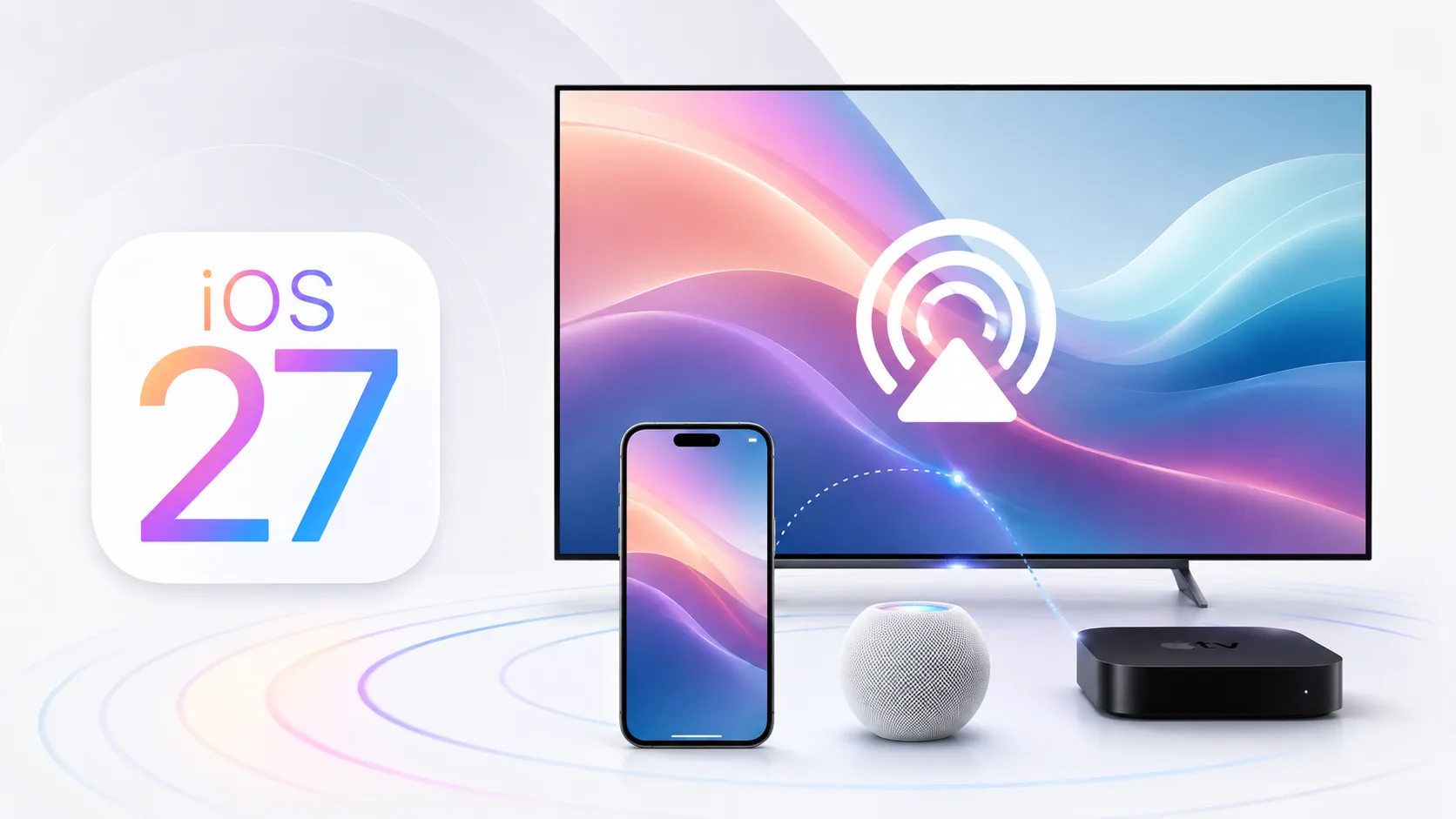
AirPlay iOS 27: Apple opens up to alternative standards in Europe
AirPlay iOS 27: Apple may be forced to review AirPlay with iOS 27 to comply with European regulations, opening up streaming standards ...
AirPlay iOS 27: what to know
AirPlay under scrutiny in Europe: the new directives
Apple once again finds itself at a crossroads imposed by European regulations. After the forced changes to the App Store and payment systems, it seems that the AirPlay wireless streaming technology could also undergo significant transformations. As reported by HDBlog, with the release of iOS 27, Apple may be forced to allow the integration of alternative standards to AirPlay for the transmission of multimedia content from iPhone to external devices such as smart TVs and compatible speakers. This opening, if confirmed, would represent a further step in Apple's compliance with European laws that aim to promote competition and interoperability in the digital market.
What could change for AirPlay with iOS 27
Currently, AirPlay is Apple's proprietary solution for streaming video, photos, and audio. Its deep integration into the Apple ecosystem makes it a convenient choice for iPhone, iPad and Mac users. However, new European directives may require Apple to no longer limit streaming functionality to its own protocols. This means that, withAirPlay iOS 27, we may see the introduction of support for third-party standards, allowing users to choose alternative solutions for sending content to their devices. This scenario, while still speculative, is plausible considering Apple's recent moves in response to regulatory pressure.
Implications for developers and users
Apple's possible openness to alternative streaming standards would have repercussions for both developers and users. App developers and hardware manufacturers could have more freedom to integrate their own streaming solutions, potentially offering greater flexibility and compatibility. For users, this would translate into more options and, perhaps, greater interoperability between devices from different brands. The ability to use standardized protocols could also lead to improvements in the performance and stability of wireless streaming, freeing users from an exclusive reliance on AirPlay.
The future of wireless streaming
The regulatory-driven evolution of AirPlay in Europe could mark a turning point for the entire wireless streaming industry. If Apple does indeed pioneer competing standards, other manufacturers could follow a similar path, fostering a more open and competitive ecosystem. This could accelerate innovation and lead to more efficient and accessible streaming solutions for all. European regulatory pressure is undoubtedly pushing tech giants to reconsider their strategies, with potential benefits for the entire market.
Apple's strategy and forced openings
Apple has shown a certain reluctance to open up its ecosystems in recent years, but European regulations, in particular the Digital Markets Act (DMA), are forcing the company to rethink. The changes introduced with iOS 17, if they also include AirPlay, would confirm Apple's tendency to gradually comply with European requests, albeit with an approach that seeks to minimize the impact on its business model. The story ofAirPlay iOS 27it is a clear example of how laws can influence technological development and the strategies of large companies, leading to a potentially more open and interconnected digital landscape.
Source:HDBlog


Commenti
Ancora nessun commento. Sii il primo a partecipare.